Whale Watching in Kaikoura, New Zealand
November 09, 2016
Over the next couple of weeks, I’ll be writing many guides on different parts of New Zealand as I’ve spent more than a month exploring the Northern and Southern regions of New Zealand. I’m an animal lover, especially so when it comes to marine animals. Hence, being able to watch the whales and dolphins swim so freely in their natural habitat brings me lots of joy. The reason I visited New Zealand was to attend a good friend’s graduation in Christchurch so we decided to take a whale-watching day tour to Kiakoura with Whale Watch Kaikoura.
Located just 2 hours 25 minutes away from Christchurch, Kaikoura is a seaside settlement on the East Coast of the South Island of New Zealand. Whenever someone mentions New Zealand, I’ll always be reminded of the “Maori” heritage and this culture is strongly reflected in the name, “Kaikoura”. Tama ki Te Rangi arrived in the area some hundreds of years ago. As he was tired and hungry, he realized there was an abundance of crayfish and thus, named the area “Te Ahi Kaikoura a Tama ki Te Rangi” – the fire that cooked the crayfish of Tama ki Te Rangi. “Kai” means food and “koura” means crayfish.


The tour bus took us through coastal roads along the majestic Pacific Ocean. Although we started the journey as early as 6am, I was too in awe of the scenic drive to nap in the bus. The bus drove along rocky beaches and the waves looked so strong, as though you’ll be sucked in the moment you go near it. There was a café for us to have breakfast before we went on board the ferry where the long wait to catch a glimpse of whales began. We were given a brief introduction about the type of whales we would see and we were also shown the tooth of the whale while we were on the ferry.

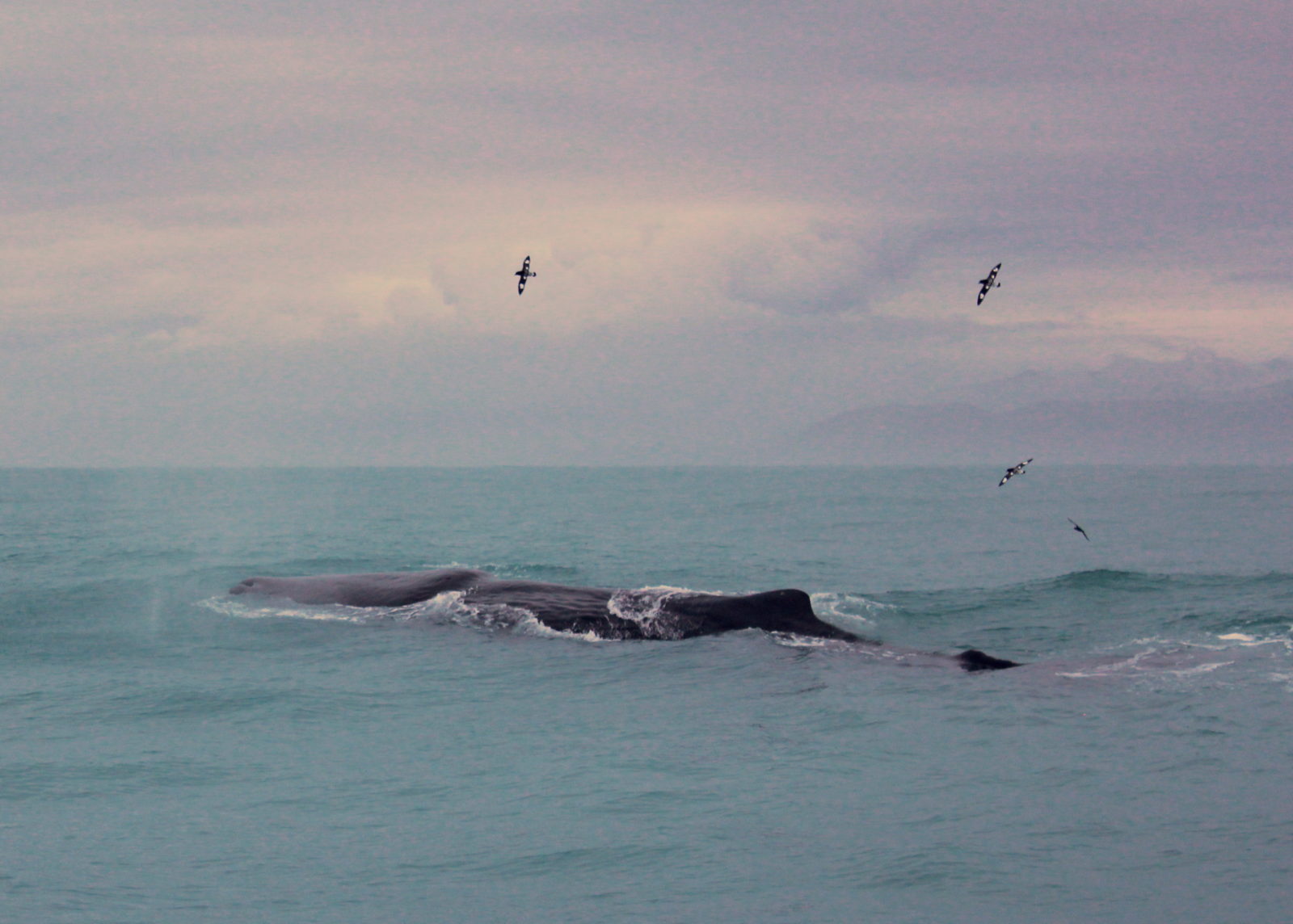
Kaikoura is one of the few places in the world where sperm whales can be seen year-round and close to shore. These sperm whales have wrinkly skin and a large, rather square head that makes up one third of their body length. If you look hard and close enough, you’ll realize that they do have big heads! Females are smaller than males and have a proportionately smaller head. They are purplish-brown or dark grey in colour, with white underneath. The dorsal fin has been reduced to a low hump and there is only one, slit-like blowhole, situated on the top left side of the snout. Adults can grow up to 18 metres long and they have the largest brain of any animal, which weighs up to 9 kilograms!
We went during winter season so it was freezing at 5 degrees Celsius and I disliked it when the strong winds came. My face felt frozen! But, this didn’t stop me from waiting for the whales on the decks of the ferry. Thankfully, lady luck was on our side that day as a mighty sperm whale emerged not long after we departed from shore. At this point, the kids on the same ferry as us started screaming exciting and pointing to the direction of the whale.


I couldn’t believe my eyes when I first witnessed this gentle giant. It’s such an unforgettable experience as I watch the whale tail farewell as it dived to the deep canyon depths. We were told that these humongous sperm whales dive regularly to depths of one kilometer but they can actually dive to 3 kilometres, holding their breath for up to two hours. They are one of the deepest diving whales so I’m really impressed!
I don’t remember the exact number of sperm whales we managed to see but this is definitely an experience you shouldn’t miss. If you go in the right season, during winter months of June, July and August, where migrating species like humpback whales visit, you might be fortunate enough to catch their spectacular displays of spyhopping, breaching, lobtailing and flipper slapping. Other species such as blue whales, southern right whales, minke whales, pygmy sperm whales and beaked whales might pass by Kaikoura but they are a really rare sight.


Besides whale-watching, Kaikoura’s coastal waters are home to an array of other marine mammals and birdlife. We managed to catch a glimpse of a dusky dolphin. You should obtain a map upon reaching Kaikoura so you can trek to the fur seal colony or albatross colony and just soak in the natural wonders of Kaikoura. We didn’t manage to explore too far due to the time constraint of our tour but we came across playgrounds and more rocky beaches, overlooking the wondrous Pacific Ocean.
If you have more time, the adventurous and sporty bunch can do horse trekking, kayaking and even swim with dolphins and seals while couples on a honeymoon can enjoy a romantic night star-gazing. Foodies will be in for a gastronomical feast and can also join a wine-tasting session just to experience the Maori hospitality. Moreover, I’ve read about Kaikoura’s Seafest, an annual festival celebrating the abundance of fresh catch off the coast of Kaikoura. You’ll get to indulge in the best wine and food from the region. Seafest is held on the first Saturday of October each year but unfortunately, I didn’t manage to go. So, this is a very good excuse for me to return to Kaikoura in future.
Here’s some advice
Plan your trip in the right season or you might miss the chance to catch whales even if you’re out “camping” for them for a long time. If you’re visiting during the winter months (June, July, August), like me, do put on warm clothes as it can get very chilly while you’re out on the ferry. Remember to check the weather forecast in order to plan your clothes. Bring a good camera, in order to zoom in to capture and observe the whales from a closed-up angle. Bring some snacks and drinks in case you get hungry or bored while waiting for the whales to appear.
It was my first time whale-watching and the experience was amazing! I’ve always only seen whales on documentaries on Animal Planet or Discovery Channel but seeing a live one within close proximity was an entirely different experience. Thank you so much to Whale Watch Kaikoura for running such a great tour! You’ve given me new insights and valuable knowledge about whales. I can’t wait to share the rest of my New Zealand trip with everyone so stay tuned!
Related posts
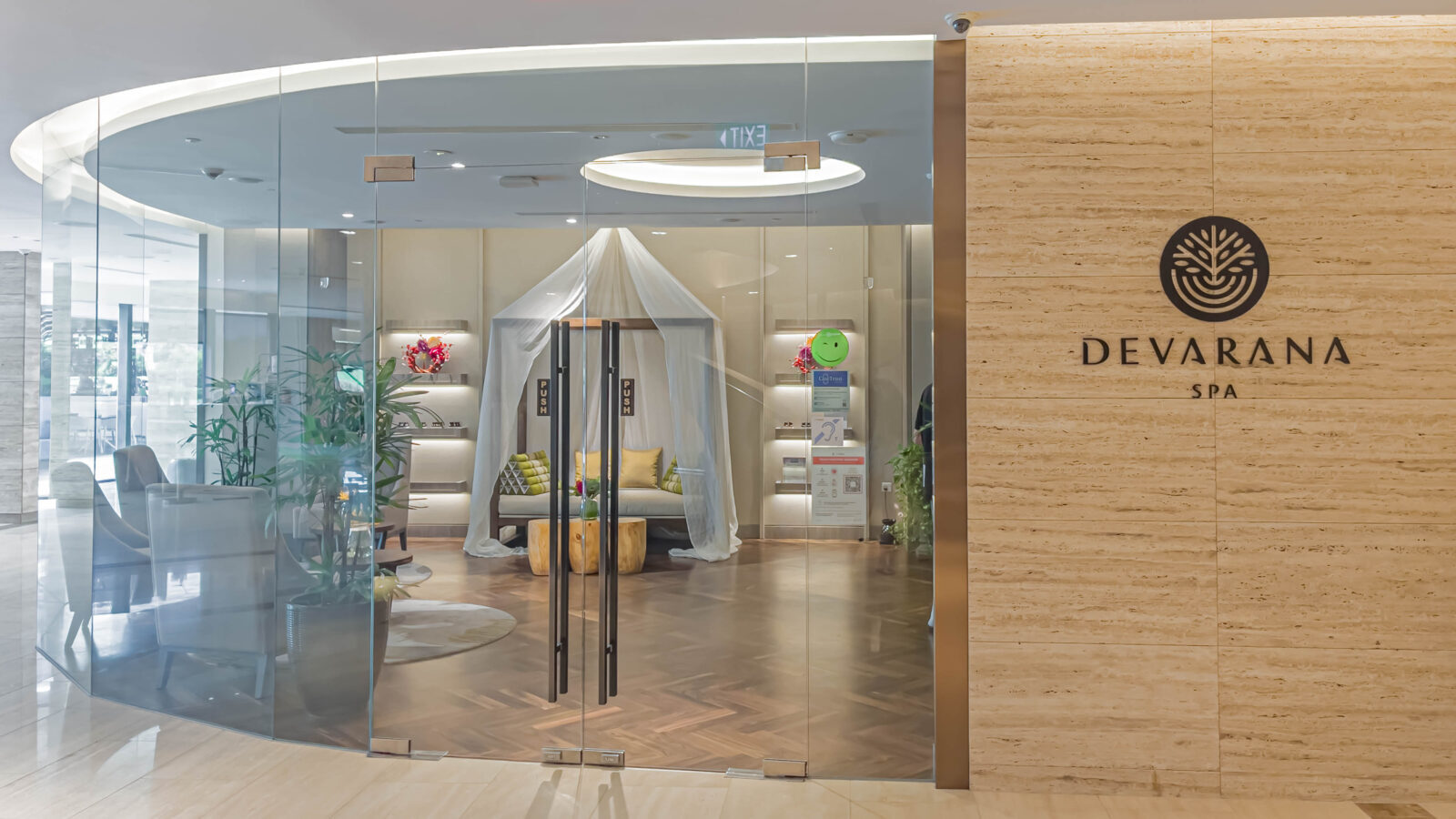
Devarana Wellness, a heaven for spa lovers, offers luxurious pampering and healing treatments in a soothing and stress-relieving environment.
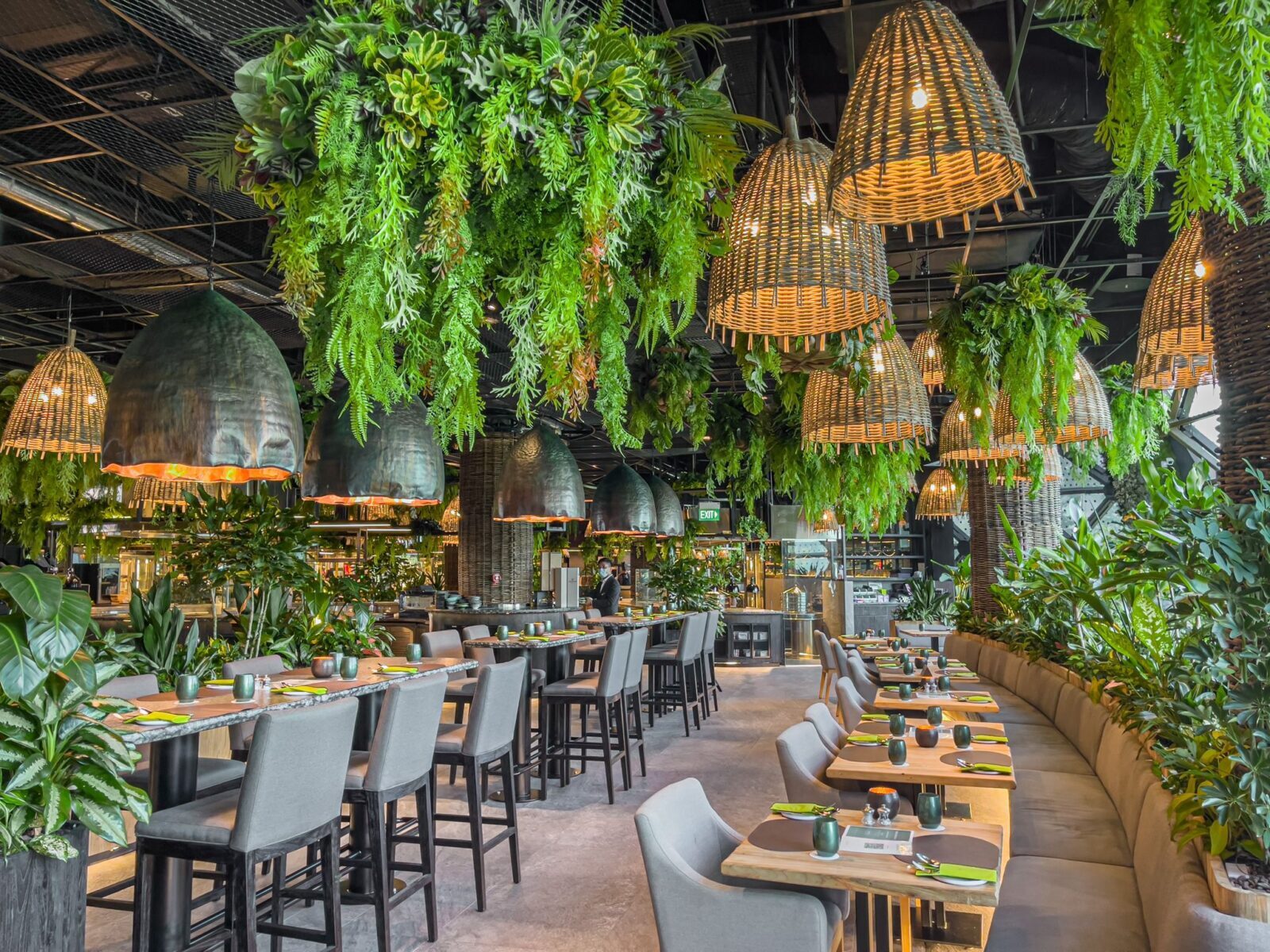
Embark on an exciting culinary journey and indulge in a rich diversity of cuisines at Greenhouse, Dusit Thani Laguna Singapore’s all-day dining restaurant.
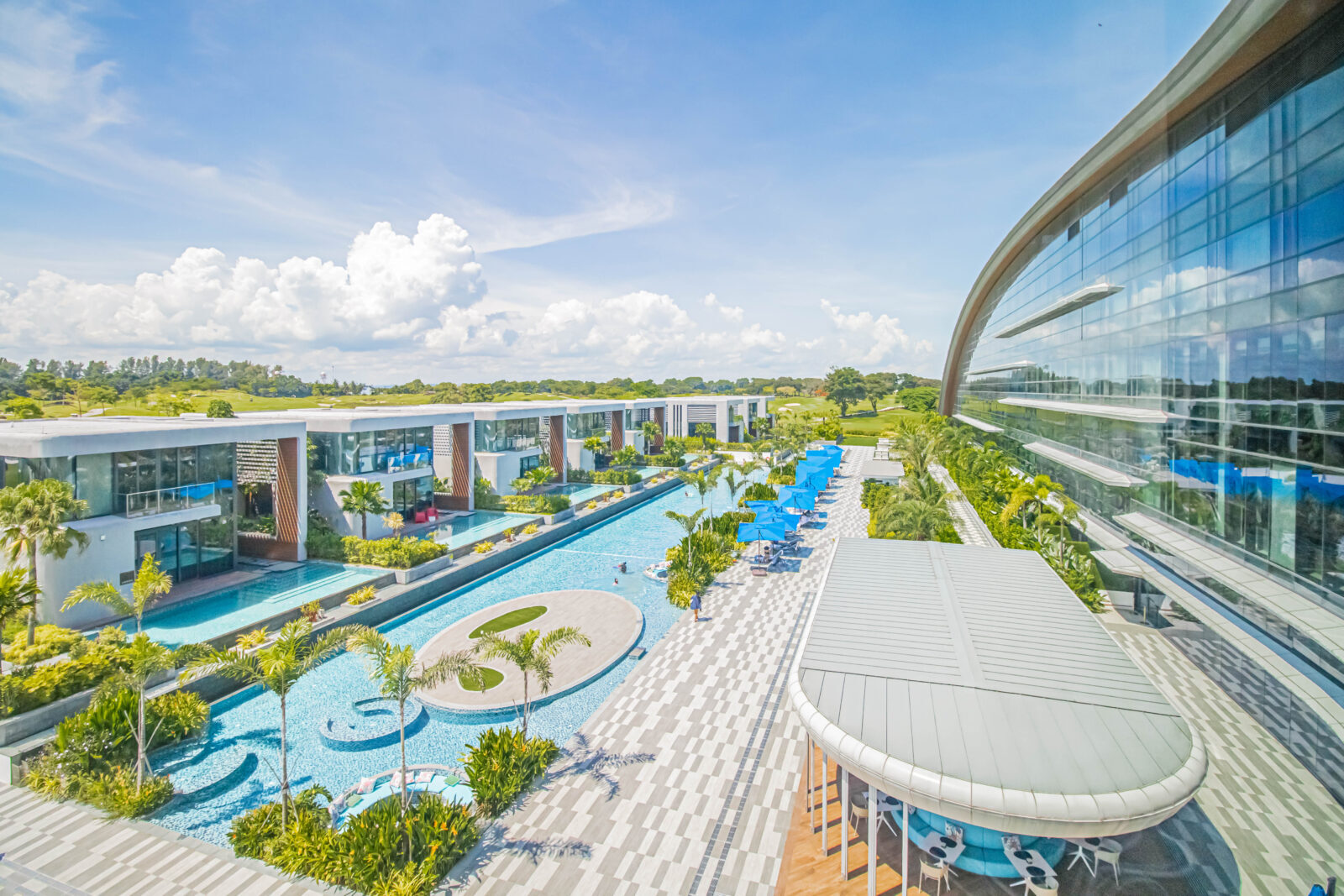
Built within the grounds of Laguna National Golf Resort Club, Dusit Thani Laguna Singapore offers spectacular views with planes soaring above frequently.

Hi! I’m Alexis!
I’m a true-blue Singaporean who loves travel, photography, and food. I left my career in accountancy in 2014 to become a globetrotter. Since then, I’ve travelled to over 20 countries and have checked many adventures off my bucket list. I hope my readers will benefit from my first hand perspective of the trips.
Read more
2 Comments