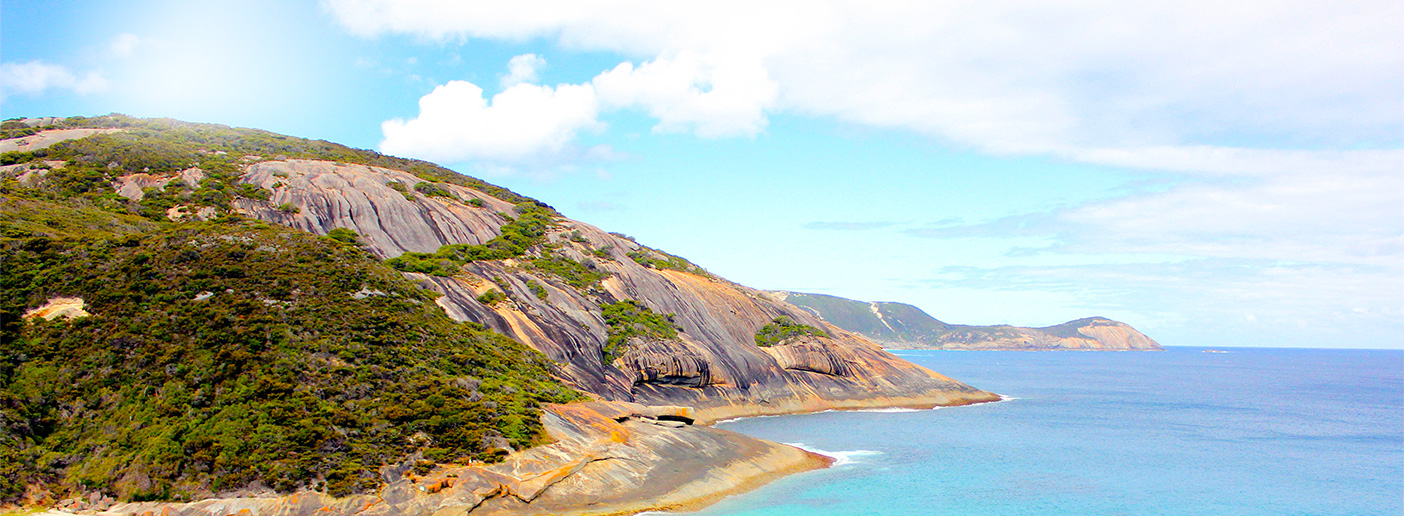
A Fun-filled Weekend in Hamburg for the Family
June 24, 2017

Hamburg, the second largest city in Germany after Berlin, and the eighth largest in Europe, is best known for its picturesque harbour area, the Port of Hamburg. The city lies at the head of the long funnel-shaped estuary of the River Elbe. The harbour, which spans 100 square kilometres between the Norder and the Süderelbe rivers, is often referred to as the Gateway to Germany. Besides being a major transportation hub, Hamburg has also become one of Europe’s most important cultural and commercial centers, and a major tourist destination. Here are 5 attractions that might interest you if you are visiting Hamburg with your family soon.
Miniatur Wunderland

This impressive attraction is the world’s largest model railway, featuring more than 12,000 metres of track, and 890 trains. Built on a truly massive scale, it covers 1,150 square metres at the moment, with more planned in the future. Their latest theme world, “Italy”, was opened in September last year, and many have been planned until 2028. Each of Miniatur Wunderland’s worlds focuses on its own subject, and they blend into each other at the borders.
Highlights include areas dedicated to the USA, Scandinavia, and Germany, as well as, an airport with planes that actually take off, all of it illuminated by more than 300,000 lights and containing some 200,000 tiny human figures. I’m pretty certain you’ll enjoy this fascinating exhibition as much as your children will.
Miniatur Wunderland Details
Address: Kehrwieder 2-4, Block D 20457 Hamburg – Speicherstadt
Opening Hours:
Mon, Wed, Thu & Fri 9.30am to 6pm
Tuesdays 9.30am to 9pm
Saturdays 8am to 9pm
Sun & PHs 8.30am to 8pm
Website: http://www.miniatur-wunderland.com/
Entrance Fees:
Children smaller than 1 metre/3 feet (accompanied by a parent) : Free of charge
Children under 16 years old : 6.50€
Adults : 13€
Seniors (>65) (please bring I.D. as proof of age) : 11€
Do check the website for more details on group pricings.
Hamburg DOM


The iconic Hamburg DOM is the largest fun fair in Northern Germany. It is held three times a year, specifically for 30 days every summer, winter, and spring at Heiligengeistfeld, an event area right next to the St. Pauli stadium. From vintage horse-carousels to thrilling high-tech roller coaster rides, there is something for everyone here. Besides exhilarating attractions, you’ll also find delicious food, from sweets and traditional snacks to hearty multi-course meals. Don’t miss the special events, like the fireworks that can be seen every Friday night at 10.30pm! Click here for the latest updates on prices, opening hours, and the date of the carnival.
Alsterpark


You don’t have to limit your cherry blossoms sighting to only Japan, as you’ll be able to take in the pretty shades of pink at Alsterpark in Hamburg around the months of April and May every year. This park boasts the largest gathering of cherry blossoms, which were offered as a gift from the emerging Japanese community. Since 1968, the Japanese community has thanked Hamburg citizens for their hospitality with a fireworks display over the Outer Alster. On the model of Washington, the Hanseatic City was given several hundred cherry trees in the 1960s, which still line the Alster today. There’s an annual cherry blossom celebration to honour the special relationship between the two communities each year.
The Port of Hamburg


Before the 1871 Unification of Germany, Hamburg was a fully sovereign state. Prior to the constitutional changes in 1919, the civic republic was ruled by a class of hereditary grand burghers or Hanseaten. Though repeatedly destroyed by the Great Fire of Hamburg, the floods, and military conflicts including WW2 bombing raids, the city managed to recover and emerge wealthier after each catastrophe.
The Port of Hamburg is home to a number of the city’s most important attractions. Encompassing 100 square kilometres, this large tidal harbour is fun to explore by boat, with numerous tours departing from Landungsbrücken. A highlight of the area is the lovely pedestrian trail that takes in the old 19th-century Warehouse District with its continuous lines of tall brick buildings once used to store tobacco, coffee, dried fruit, and spices. Another landmark is the Köhlbrandbrücke, a 3.9-kilometre bridge that spans the harbour.
St. Nicholas’ Church


The ornate gothic fortress whose spire remains today was originally built on the spot in 1874. It was built on the site of a former church which had burnt to the ground, and upon its completion, the top of the central tower marked the tallest building in the world. Although it was being deposed by another cathedral a couple of years later, it continued to act as a well-resected and iconic holy house in the city, and the intricate gothic design makes it an architectural gem.
Unfortunately, as with many countries in Europe, WW2 arrived and drastically changed the city’s landscape. During a 1943 bombing, the church was irreparably damaged and had to be abandoned. Eventually, the nave building was torn down, but the tower, which was still fairly structurally sound was left, hollow but standing. Today, the gorgeous tower still stands in Hamburg as a holocaust memorial. I courageously rode an elevator to the top of the tower, and was rewarded with a lovely if somewhat tragic view of the city.
I would recommend popping by Hamburg as this vibrant city appealed to me more than Berlin did. I personally felt that Berlin exudes a more serious and gloomy atmosphere, while Hamburg is a city that’s lively and exciting! I’ve travelled to many parts of Germany, and Hamburg is ranked as one of my top three favourite German cities. Hope you’ll have lots of fun here!
Related posts
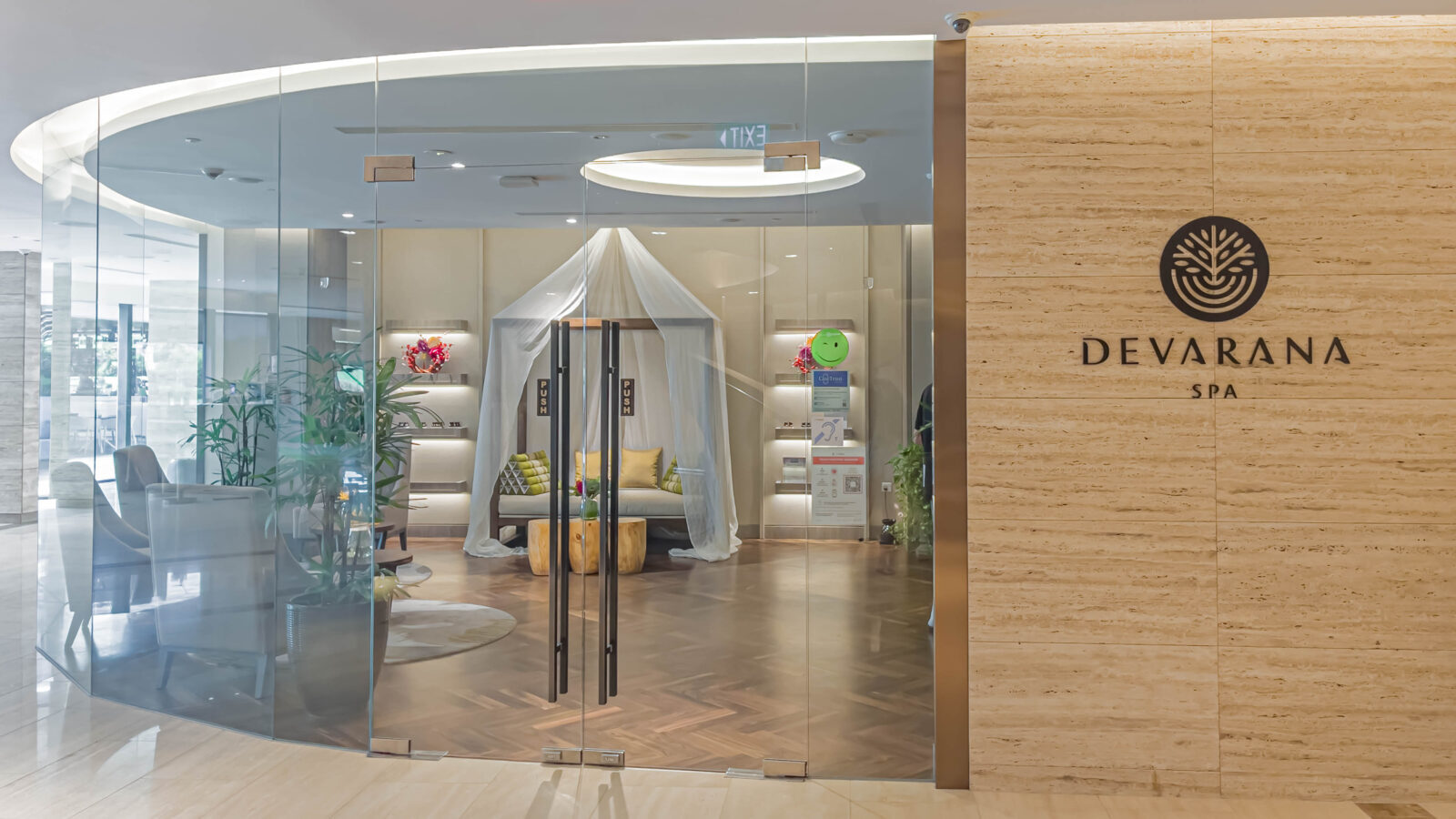
Devarana Wellness, a heaven for spa lovers, offers luxurious pampering and healing treatments in a soothing and stress-relieving environment.
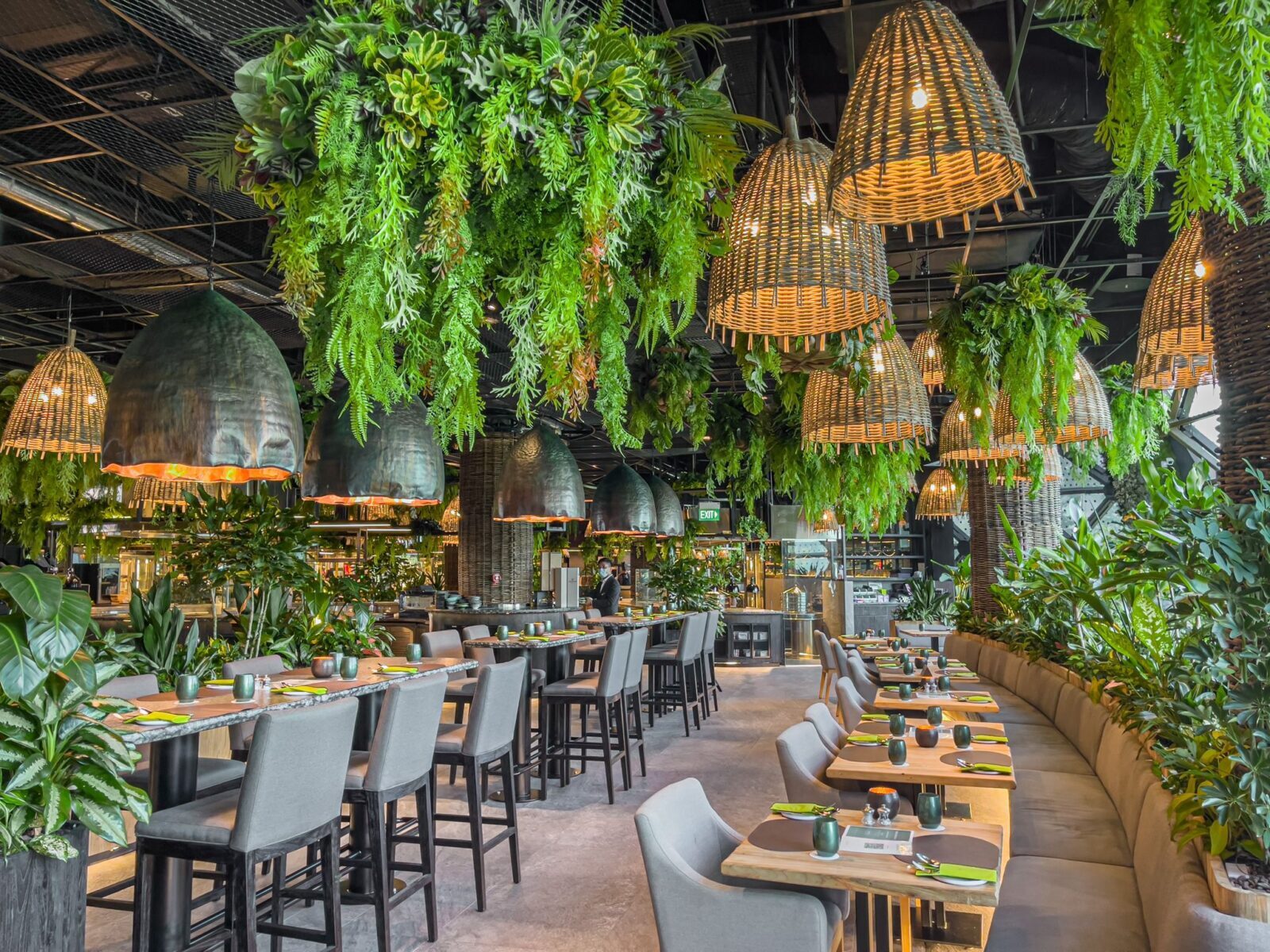
Embark on an exciting culinary journey and indulge in a rich diversity of cuisines at Greenhouse, Dusit Thani Laguna Singapore’s all-day dining restaurant.
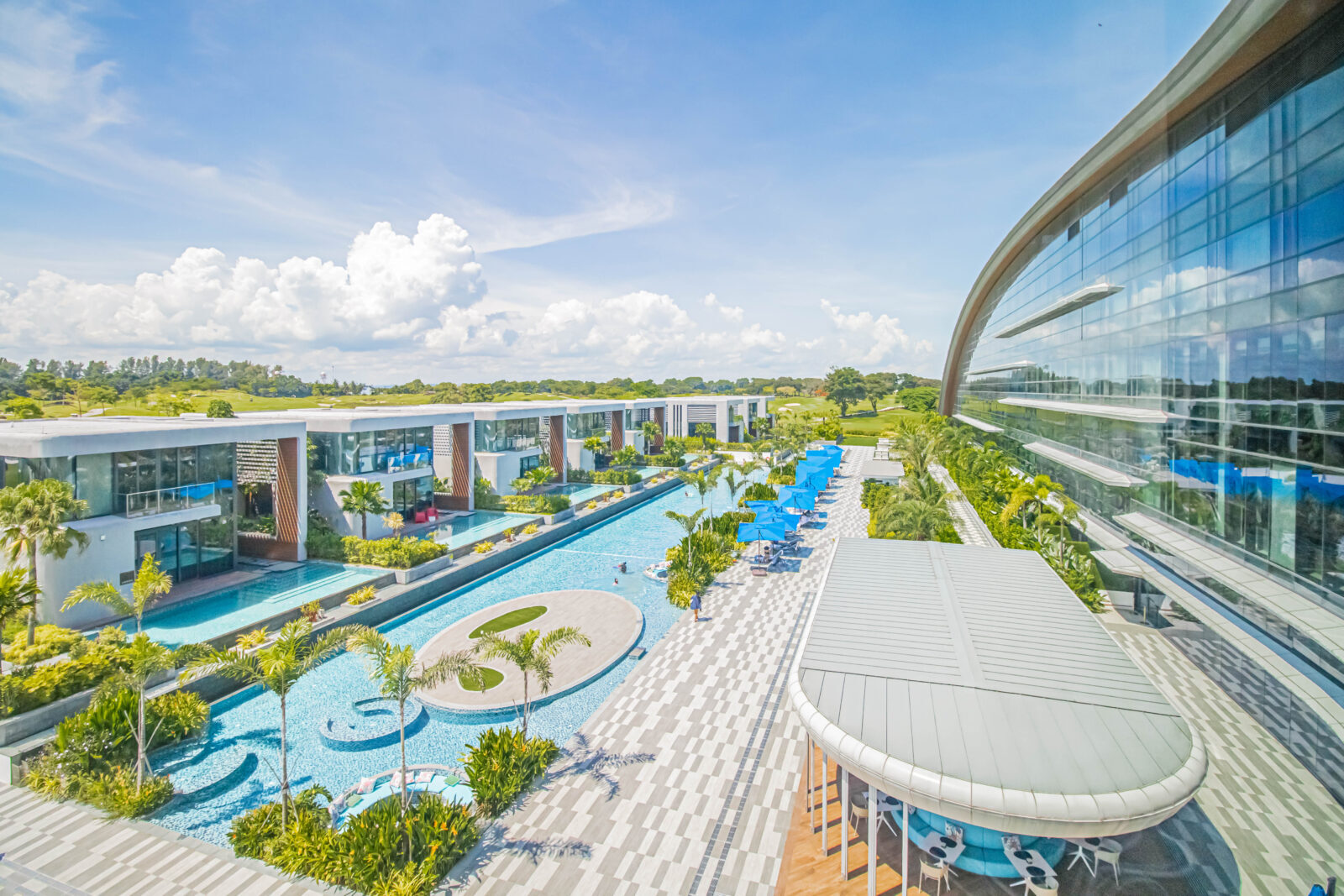
Built within the grounds of Laguna National Golf Resort Club, Dusit Thani Laguna Singapore offers spectacular views with planes soaring above frequently.

Hi! I’m Alexis!
I’m a true-blue Singaporean who loves travel, photography, and food. I left my career in accountancy in 2014 to become a globetrotter. Since then, I’ve travelled to over 20 countries and have checked many adventures off my bucket list. I hope my readers will benefit from my first hand perspective of the trips.
Read more