Prambanan Temple – The Largest Temple Compound Dedicated to Hindu Divinities in Indonesia
September 08, 2018
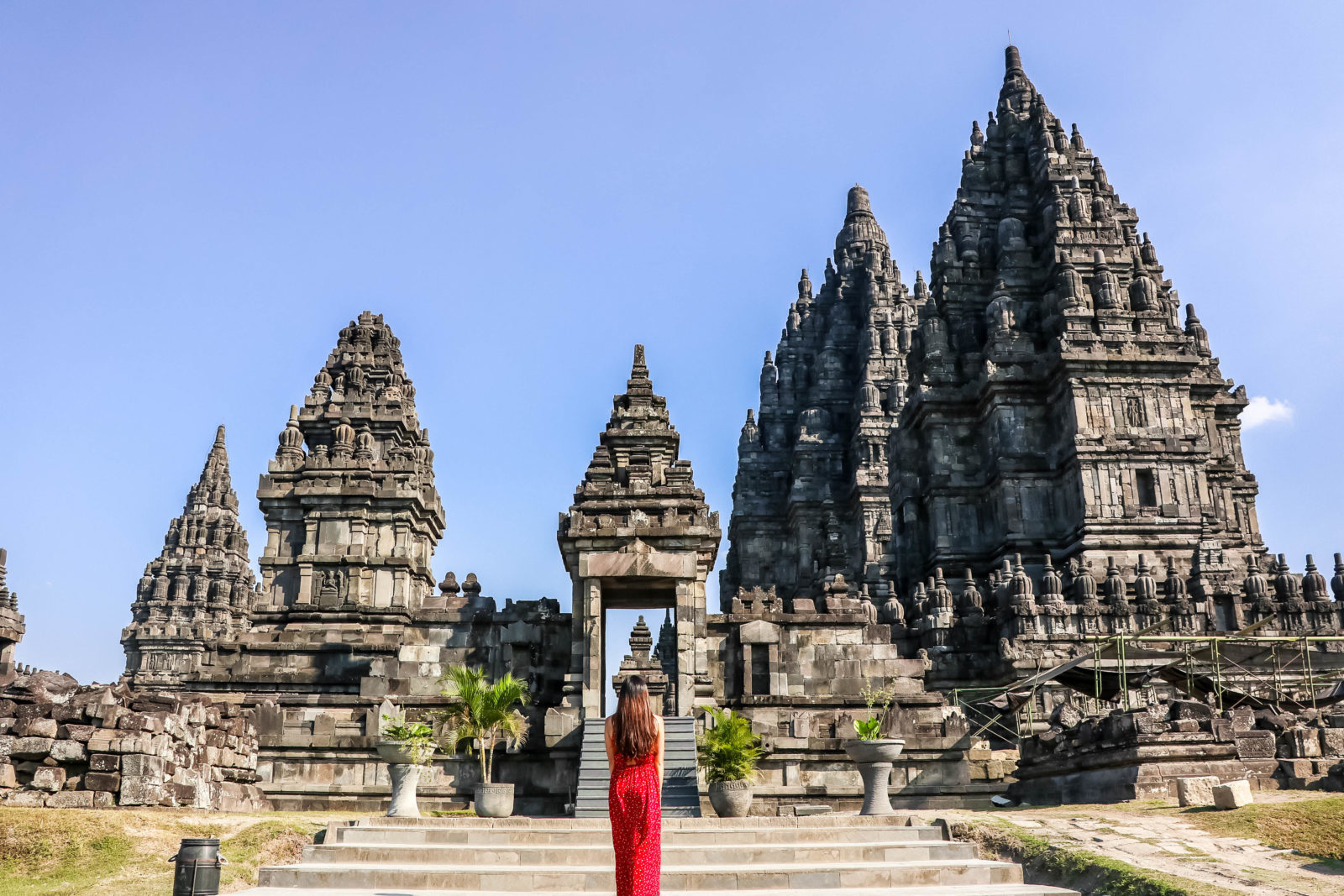
Besides the Borobudur temple, the Prambanan temple is another frequently visited attraction in Yogyakarta. A UNESCO World Heritage Site, the compound consists 240 individual stone temples, but many of them have unfortunately been scattered in ruins. The compound is split up into three zones. The outer zone used to be surrounded by a wall which has been destroyed, and the open space serves as a yard for priests and worshippers today. The middle zone has 224 small shrines called, “Candi Perwara” (which means “guardian temples”) arranged into four concentric rows around the central zone.


There are eight main temples and eight smaller shrines built in the central zone. The three biggest temples are dedicated to the Trimurti, or three forms of gods in Hinduism – Brahma the Creator, Vishnu the Keeper, and Shiva the Destroyer. Among these three, Shiva’s temple is the biggest and most centrally located. In fact, when the Prambanan Temple was first built, it was dedicated to Shiva and bore the name Shivagrha, or the House of Shiva.
The temples collapsed due to earthquake, volcanic eruption and a shift of political power in the early 11th century, and they were rediscovered in the 17th century. They have never been displaced or changed. Restoration works have been conducted since 1918, both in original traditional method of interlocking stone and modern methods using concrete to strengthen the temple structure. Even though extensive restoration works have been done in the past and as recently as after the major 2006 and 2010 earthquakes, great care has been taken to retain the authenticity of the structures.


A visit to the Prambanan Temple will keep you busy all day because the compound covers 39.8 hectares (398,000 square metres) and it’s best to explore on foot. The area surrounding Prambanan is developed, with a landscaped park and stores selling souvenirs. Although the temple is no longer as majestic as it used to be, it is still sacred and you’ll still be able to learn about Hindu rituals and culture. The entrance fee costs 350,000 IDR ($31.90 SGD) per person.
Related posts

Devarana Wellness, a heaven for spa lovers, offers luxurious pampering and healing treatments in a soothing and stress-relieving environment.
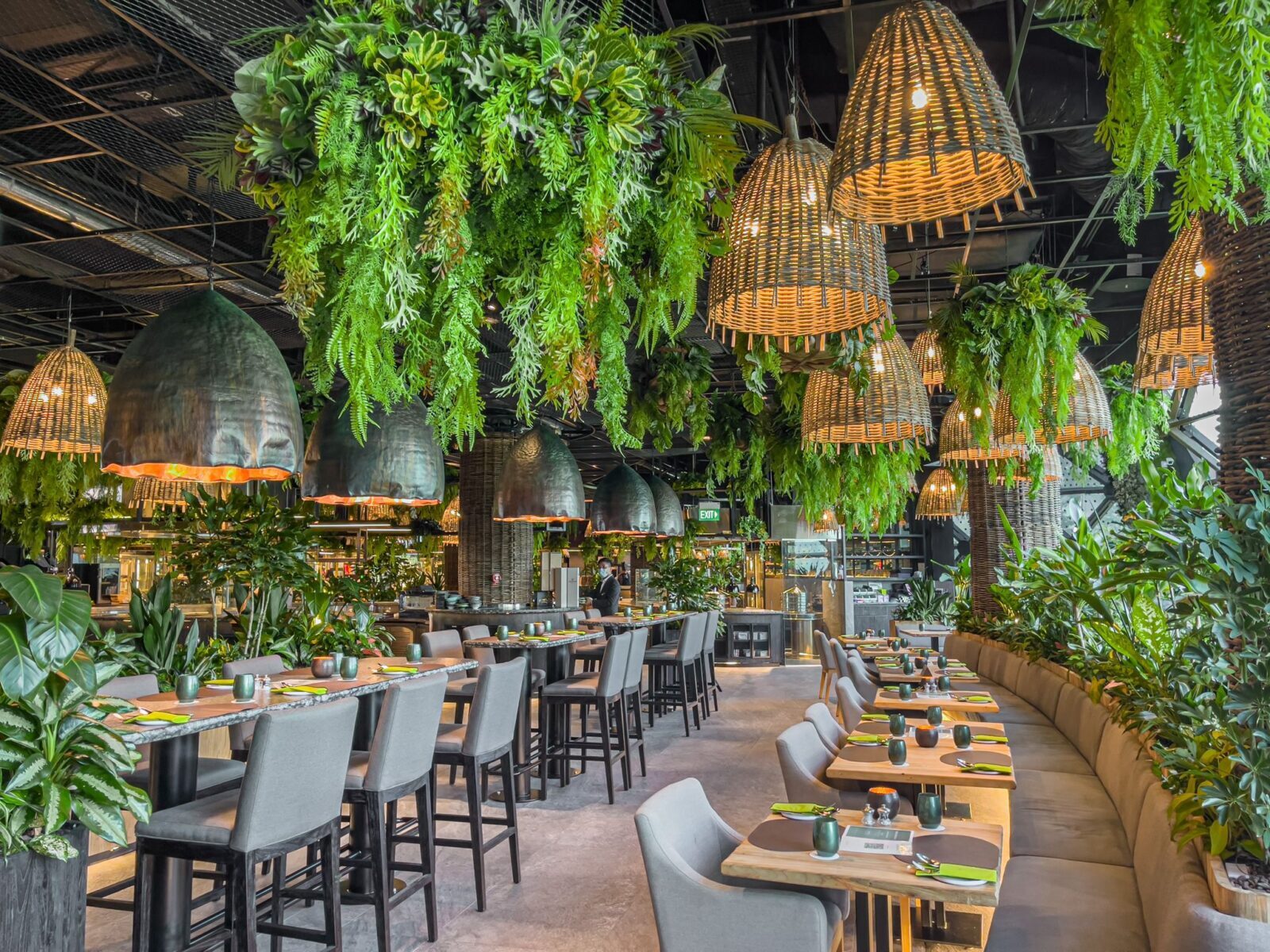
Embark on an exciting culinary journey and indulge in a rich diversity of cuisines at Greenhouse, Dusit Thani Laguna Singapore’s all-day dining restaurant.
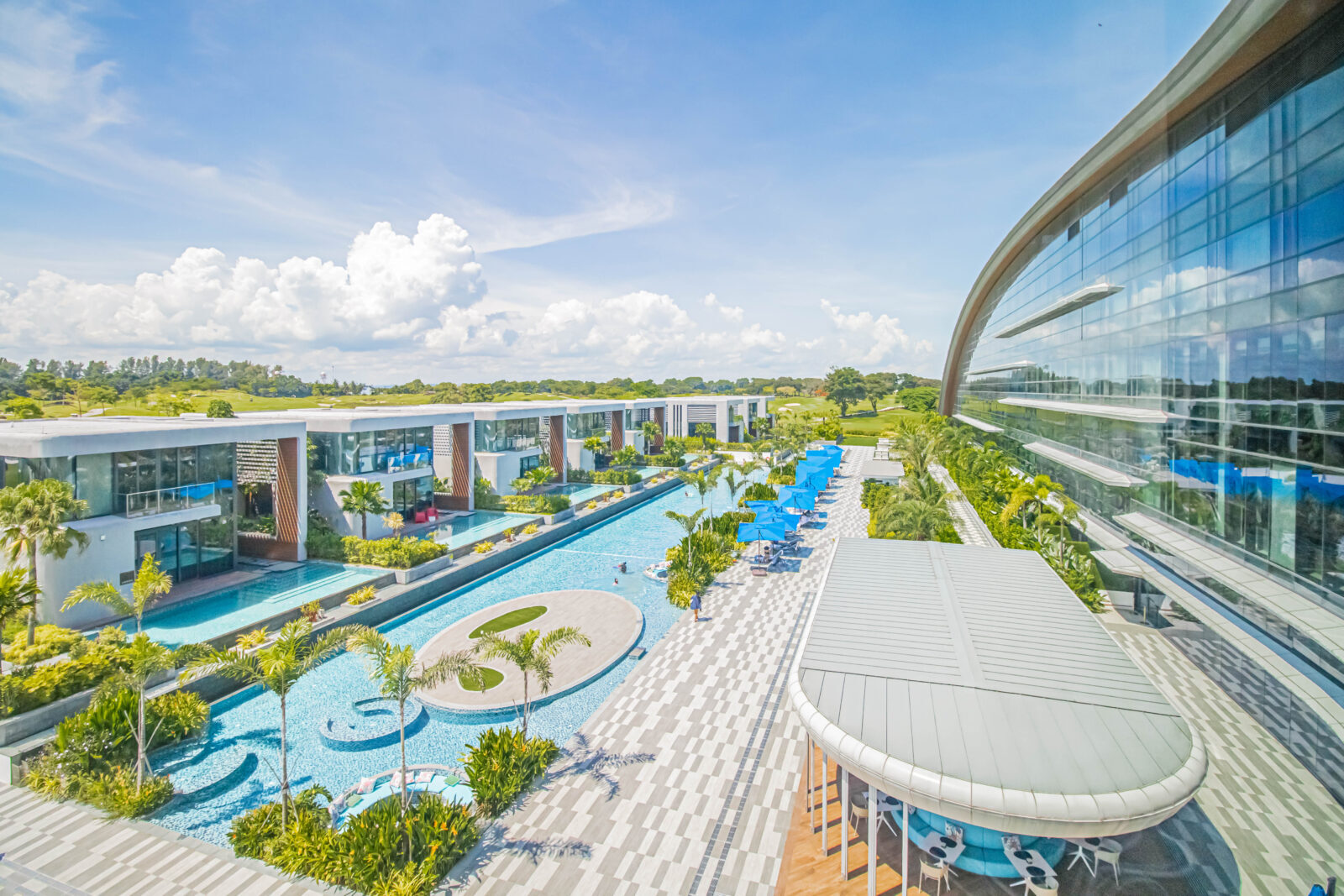
Built within the grounds of Laguna National Golf Resort Club, Dusit Thani Laguna Singapore offers spectacular views with planes soaring above frequently.

Hi! I’m Alexis!
I’m a true-blue Singaporean who loves travel, photography, and food. I left my career in accountancy in 2014 to become a globetrotter. Since then, I’ve travelled to over 20 countries and have checked many adventures off my bucket list. I hope my readers will benefit from my first hand perspective of the trips.
Read more