
Immerse Yourselves in Traditional Korean Culture at Bukchon Hanok Village
February 18, 2017

Hanok, or traditional Korean houses, are well-preserved at traditional Korean villages throughout the country. Located between Gyeongbokgung Palace, Changdeokgung Palace, and Jongmyo Shrine, Bukchon was the neighbourhood of choice for yangban, upper-class aristocrats of the Joseon Dynasty. It has been called “Bukchon” because it is in Northern Cheonggyecheon and Jongno (“Buk” means North in Korean). Albeit its location is right in the middle of the modernized metropolitan city of Seoul, Bukchon is like a village frozen in time for ages.


While walking along the many alleys of well-preserved hanoks, you can get a glimpse of how life must have been during the Joseon Dynasty. On the upper side of Bukchon, a Hanok village is nestled on the embankment, while below, modernly-altered streets harmonize with the village, allowing you to feel the affable co-existence of both modern and traditional architecture. Today, some traditional hanoks have been remodeled into restaurants, cafes, galleries, and other businesses.
Take an afternoon to stroll along the lovely streets of Bukchon Hanok Village. You’ll come across panoramic views of Changdeokgung Palace, get to admire the architecture along arts and crafts street in Wonseo-dong, uphill alley of Gahoe-dong, stone stair alley of Samcheong-dong, and more.


Don’t mind paying 3,000krw per adult and 2,000krw per child to ascend Bukchon Observatory? Well, look forward to seeing the sea of hanok rooftops. Located on the third floor, the observatory is considered one of the higher vantage points where you are able to get a bird’s eye view of Bukchon Hanok Village. A cup of coffee, tea or juice is included as well. We were very fortunate to have caught the sunset timing!


If you’re lucky to chance upon this ajumma selling Korean mochi desserts, it’s a must-try! The mochi skin is so chewy and soft, yet doesn’t get stuck onto your teeth. The fillings range from red bean paste, to sesame paste and peanut paste. Very well done – we fell in love with these bite-sized snacks! The ajumma is also super welcoming! Upon noticing my boyfriend and I standing out in the cold during winter while savouring her mochi, she immediately boiled water and offered us coffee. Despite our language barrier, we really appreciated her kind gesture.
If you have more time to explore, you might want to check out Bukchon Traditional Crafts Experience Centre. Besides experiencing different programs for the day, you also get to enjoy traditional crafts for free. Interested in spending a night in this village? Head by the Hanok Homestay Information Centre and the guides will gladly assist you in booking a room in Bukchon.
Do note that Bukchon Hanok Village is an actual residential area so, while enjoying touring around the village, you should respect their privacy and keep your noise level in check. I advise you to grab a copy of the map for easy navigation around the village. Moreover, all the workshops, hanok guest houses, museums and galleries marked on the map open their restrooms for tourists for free.
Bukchon Hanok Village Details
Address: 37 Gyedong-gil, Jongno-gu, Seoul
Nearest Train Station: Anguk Station (Line 3) Exits 2 and 3
Contact: 02-2148-4161
Website: http://bukchon.seoul.go.kr/eng/
Related posts
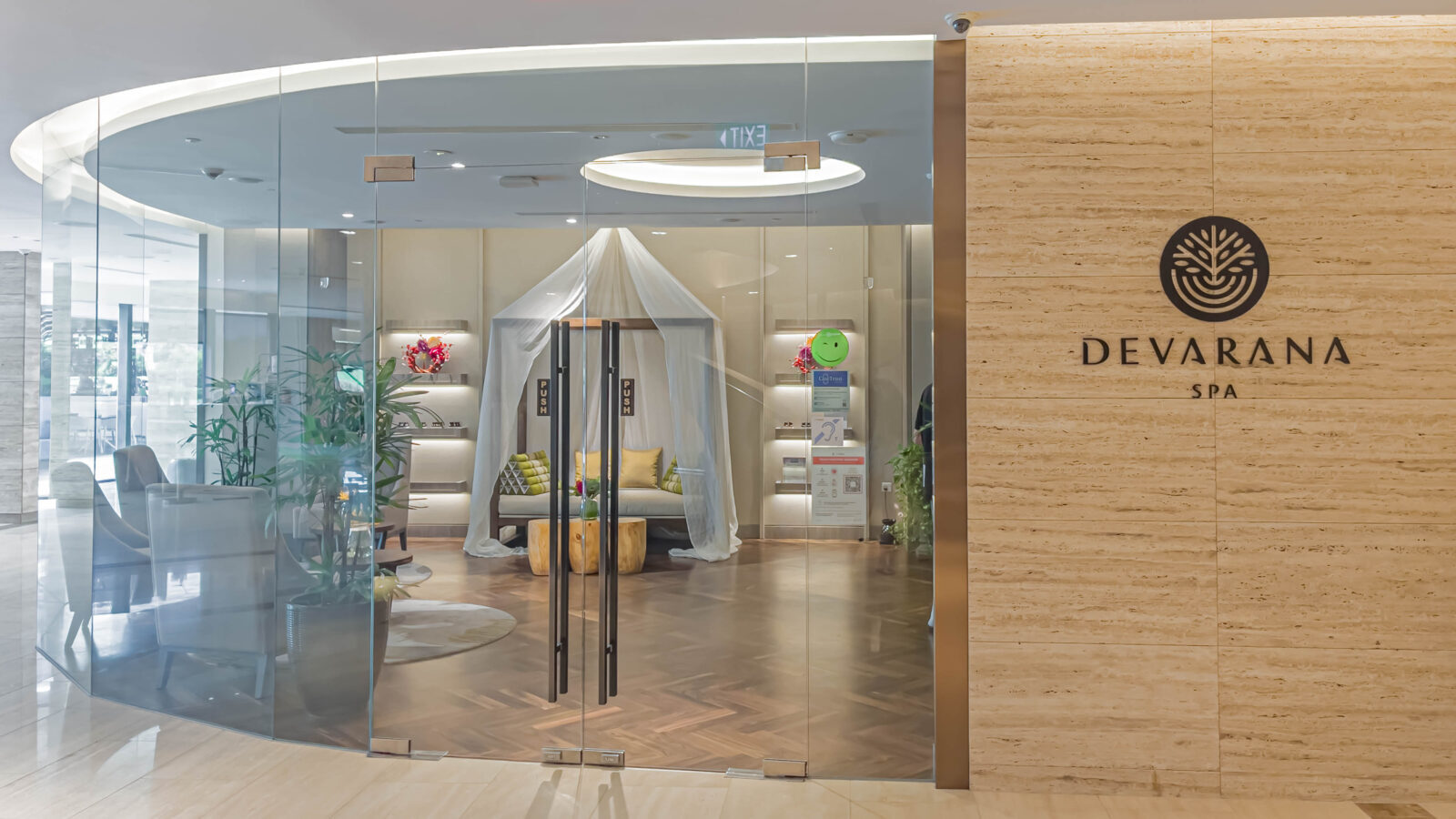
Devarana Wellness, a heaven for spa lovers, offers luxurious pampering and healing treatments in a soothing and stress-relieving environment.
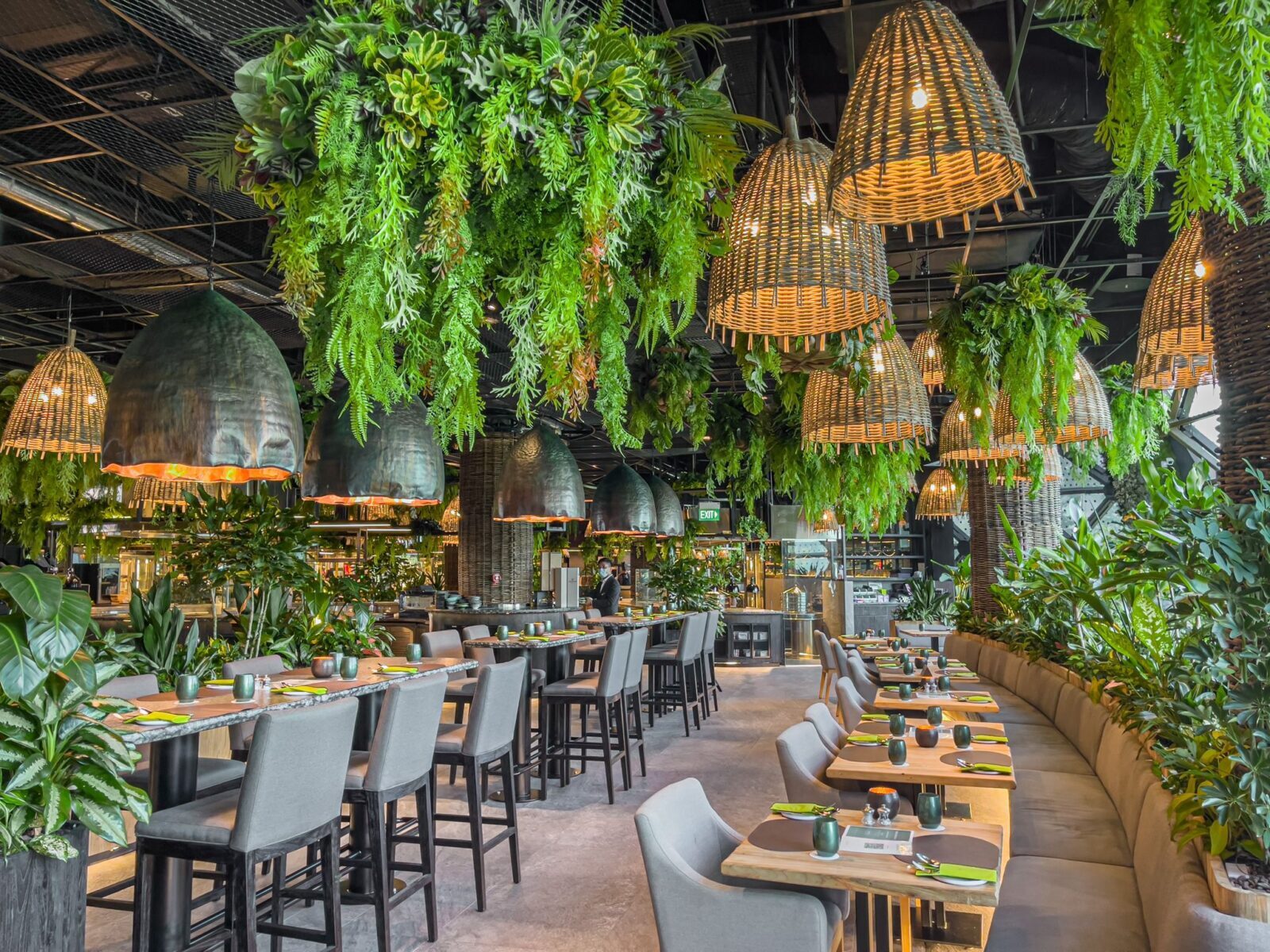
Embark on an exciting culinary journey and indulge in a rich diversity of cuisines at Greenhouse, Dusit Thani Laguna Singapore’s all-day dining restaurant.
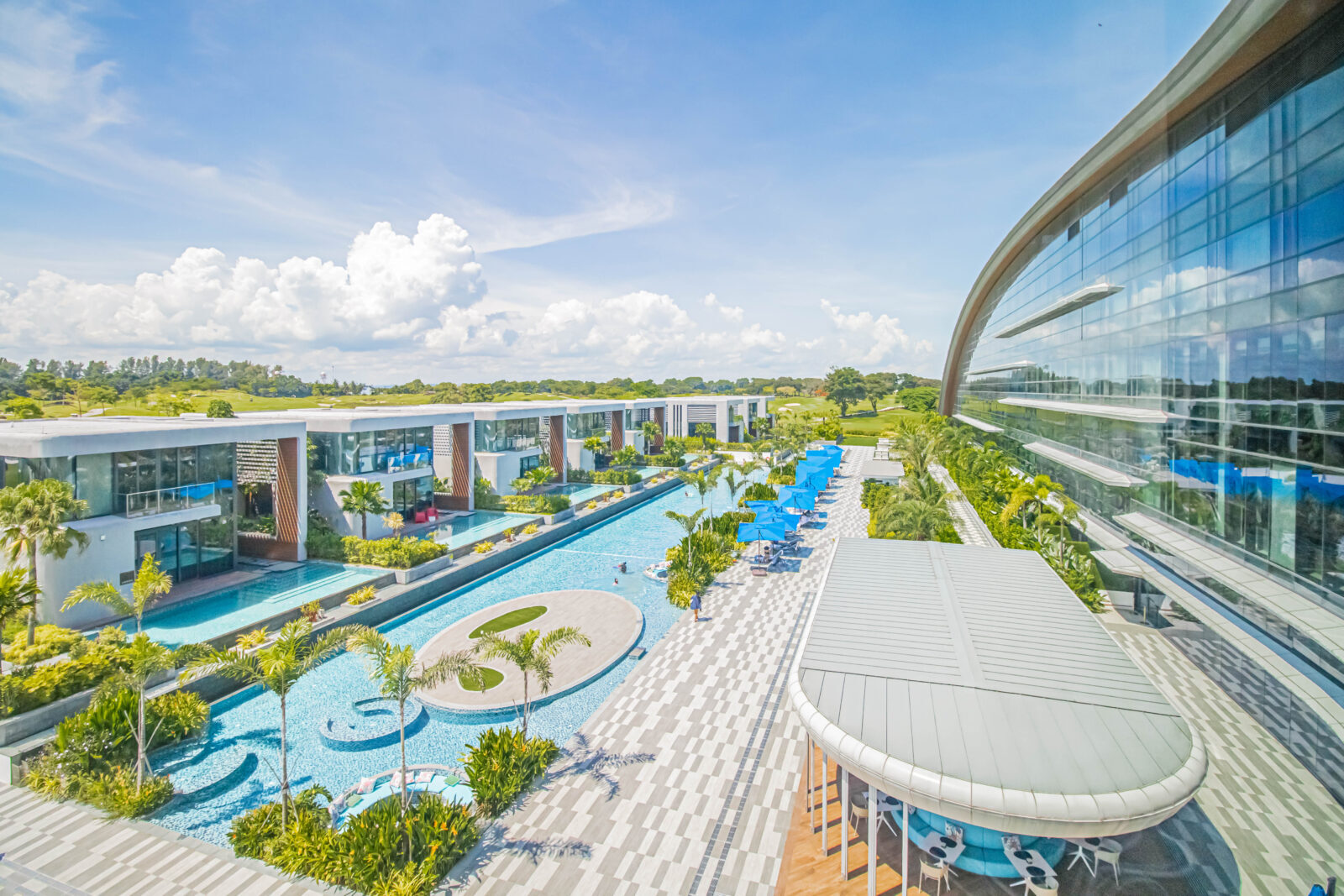
Built within the grounds of Laguna National Golf Resort Club, Dusit Thani Laguna Singapore offers spectacular views with planes soaring above frequently.

Hi! I’m Alexis!
I’m a true-blue Singaporean who loves travel, photography, and food. I left my career in accountancy in 2014 to become a globetrotter. Since then, I’ve travelled to over 20 countries and have checked many adventures off my bucket list. I hope my readers will benefit from my first hand perspective of the trips.
Read more
One Comment