Meiji Jingu – An Interesting Shrine in Tokyo
February 06, 2019
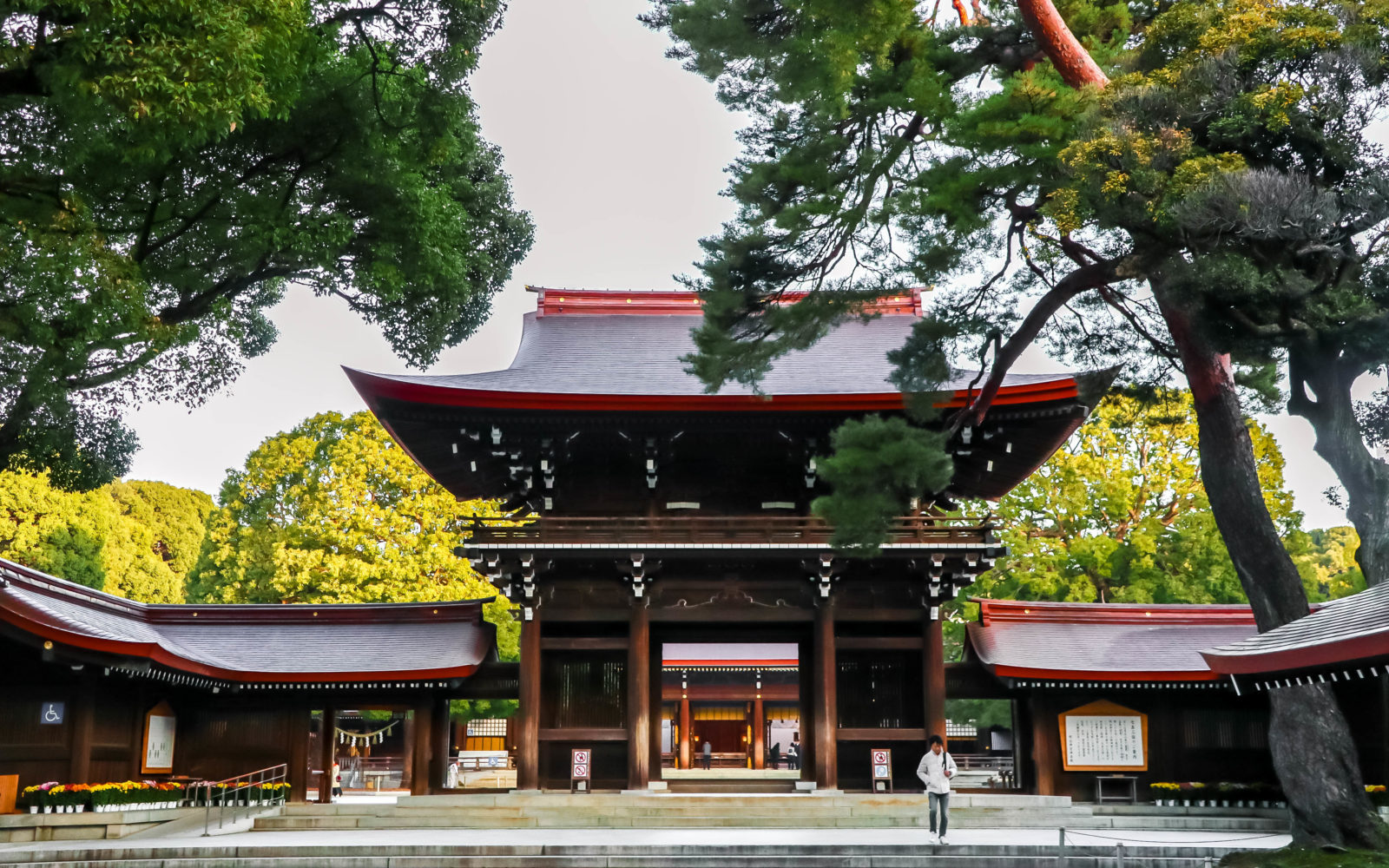
Before visiting Japan, I had zero knowledge about shrines. I knew about their existence, but didn’t dig deeper into their historical, cultural, and religious significance. Everyone recommended visiting Meiji Jingu, and I’m glad I took the brochure because it gave a pretty detailed insight into this Shinto shrine. The following information is from the brochure.
Shinto is Japan’s ancient original religion, and is deeply rooted in the way of Japanese life. Shinto has no founder, no holy book, and not even the concept of religion conversion, but Shinto values for example harmony with nature and virtues such as “Magokoro (sincere heart)”. In Shinto, some divinity is found as Kami (divine spirit), or it may be said that there is an unlimited number of Kami. You can see Kami in mythology, in nature, and in human beings. From ancient times, Japanese people have felt awe and gratitude towards such Kami and dedicated shrines to many of them.


Meiji Jingu is dedicated to the divine souls of Emperor Meiji and his consort Empress Shoken. Emperor Meiji (1852-1912) is the 122nd emperor of Japan, the great-grandfather of the current Emperor. He ascended the throne in 1867. When Japan was facing unprecedented conditions such as the opening of the country to the world after its long isolation and the end of the Tokugawa Shogunate, Emperor Meiji took the initiative to promote friendship with other countries, introduce Western civilisation, and developed technology from overseas while preserving Japanese identity, and hence laid the foundations of modern Japan.
Empress Shoken (1850-1914) not only supported the Emperor behind the scenes but also devoted herself to promoting national welfare and women’s education. She was also concerned about world affairs, and she donated a fund, named after her, to the International Red Cross, which has been used for international welfare activities until today.
The sincere heart of the Emperor and Empress towards the people can be seen directly in the waka (traditional Japanese poems consisting 31 syllables) they composed throughout their lives. Emperor Meiji passed away in 1912 and Empress Shoken in 1914. After their demise, people wished to commemorate their virtues and to venerate them forever. So, they donated 100,000 trees from all over Japan and from overseas, and worked voluntarily to create this forest. Thus, thanks to the sincere heart of the people, this shrine was established on 1 November 1920.
Besides the main shrine building, you can visit the Meiji Jingu forest, the Inner Garden, and the avenue of gingko tree. This is a peaceful place to begin your day in Tokyo.
Meiji Jingu
Address: 1-1 Yoyogi-Kamizono-cho, Shibuya-ku, Tokyo 151-8557, Japan
Website: http://www.meijijingu.or.jp/english/
Related posts

Devarana Wellness, a heaven for spa lovers, offers luxurious pampering and healing treatments in a soothing and stress-relieving environment.
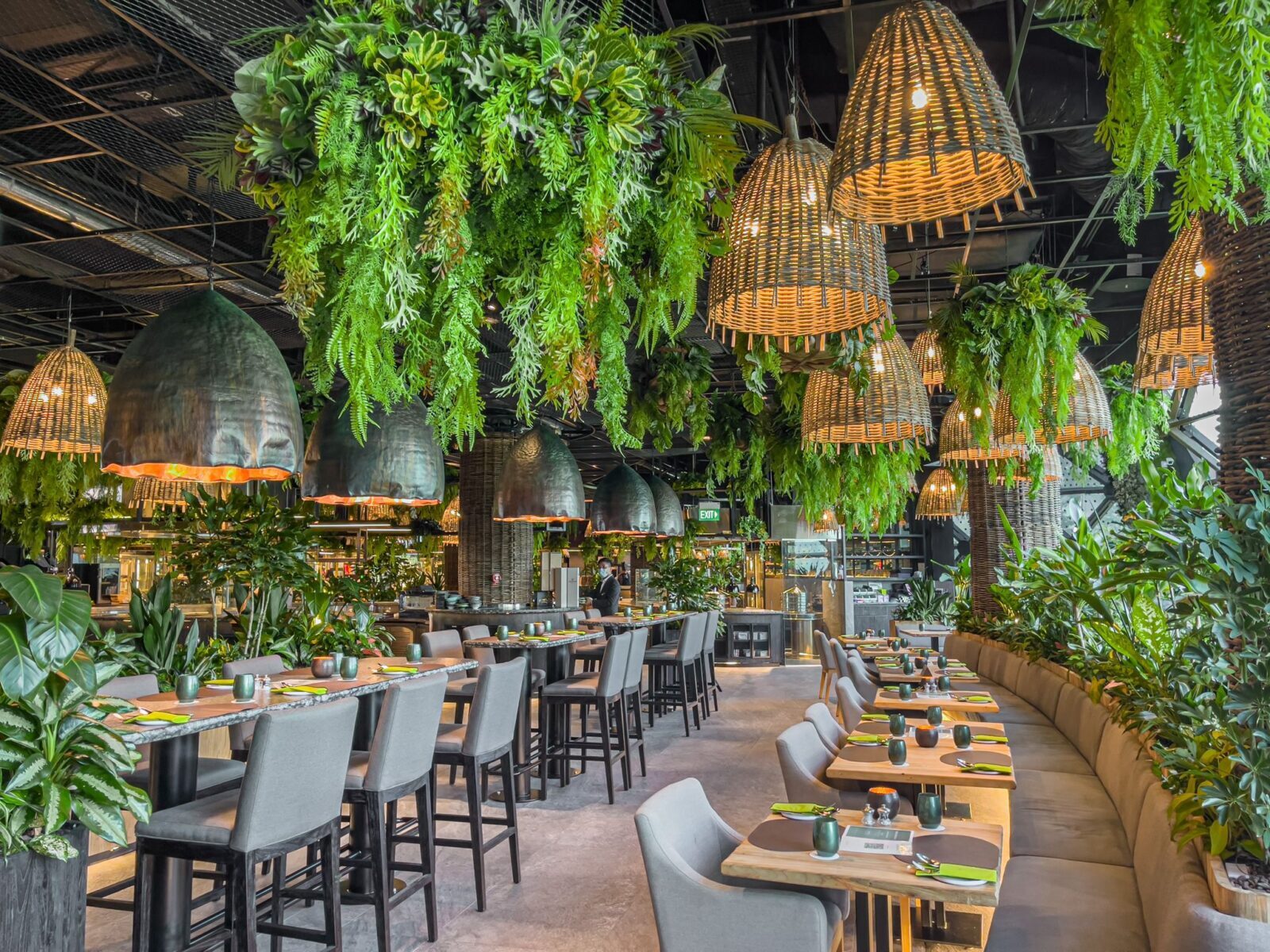
Embark on an exciting culinary journey and indulge in a rich diversity of cuisines at Greenhouse, Dusit Thani Laguna Singapore’s all-day dining restaurant.
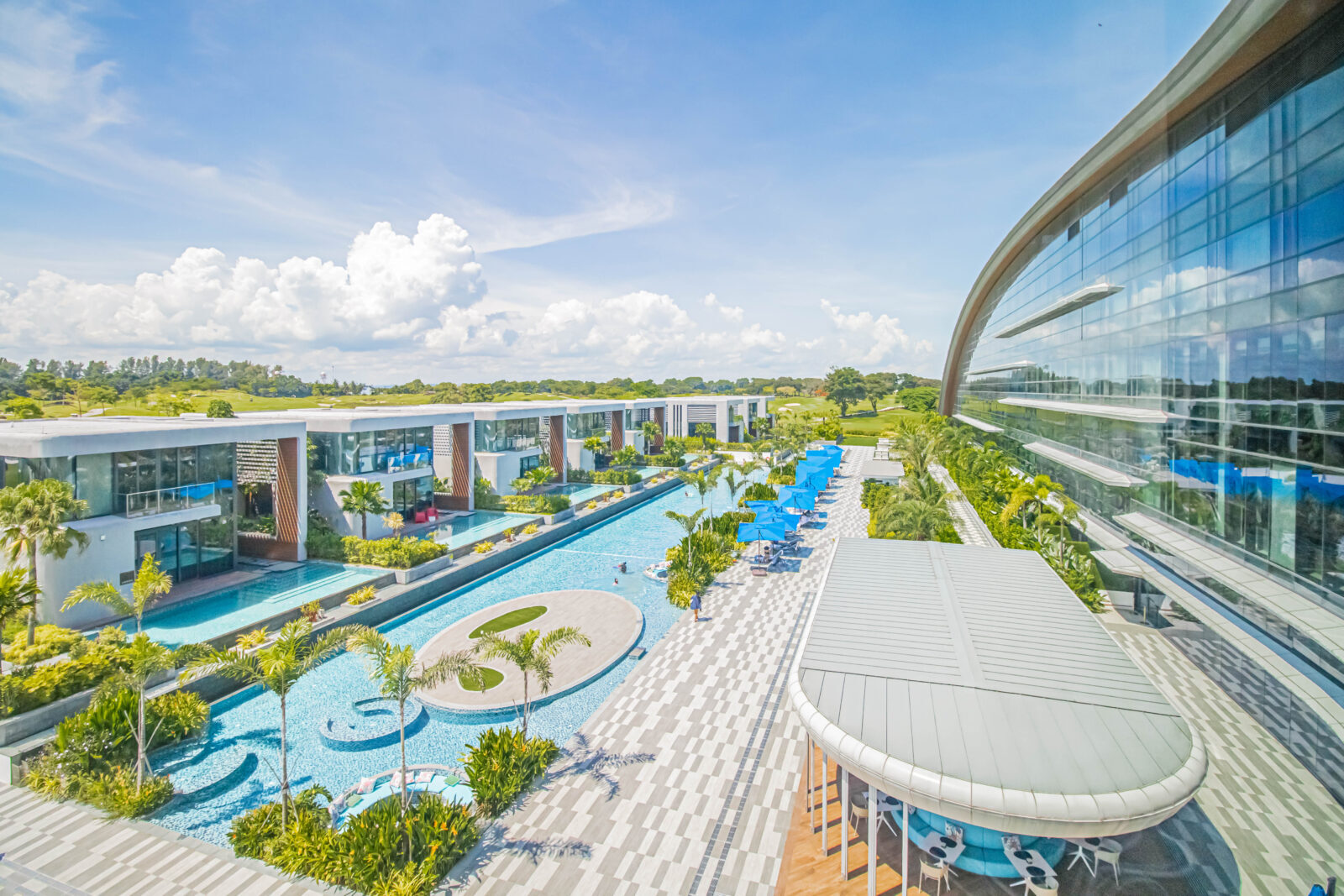
Built within the grounds of Laguna National Golf Resort Club, Dusit Thani Laguna Singapore offers spectacular views with planes soaring above frequently.

Hi! I’m Alexis!
I’m a true-blue Singaporean who loves travel, photography, and food. I left my career in accountancy in 2014 to become a globetrotter. Since then, I’ve travelled to over 20 countries and have checked many adventures off my bucket list. I hope my readers will benefit from my first hand perspective of the trips.
Read more