Rothenburg ob der Tauber, The Best-preserved Medieval Town in Europe
June 03, 2017

The old Bavarian Imperial City of Rothenburg ob der Tauber is an alluring place to spend time. It is widely known as one of the most popular stopovers on Southern Germany’s Romantic Road. Picturesquely situated on the steep banks of the River Tauber, this medieval town with a distinctive skyline of 42 gates and towers has remained untouched since the Thirty Years War of 1618. My German friend, Lena, invited me for a weekend at her hometown, Künzelsau, so we took a day trip to Rothenburg ob der Tauber.
The Romantic Road is a themed route designed by profits-oriented travel agents in the 1950s. It consists of a number of enchanting towns and castles that stretch along 350 kilometres of highway between Würzburg and Füssen in Southern Germany, specifically in Bavaria and Baden-Württemberg. In medieval times, it was a trade route that connected the centre of Germany with the South. Today, this region is perceived by many international travellers to possess quintessentially German scenery and culture, in towns and cities such as Rothenburg ob der Tauber.
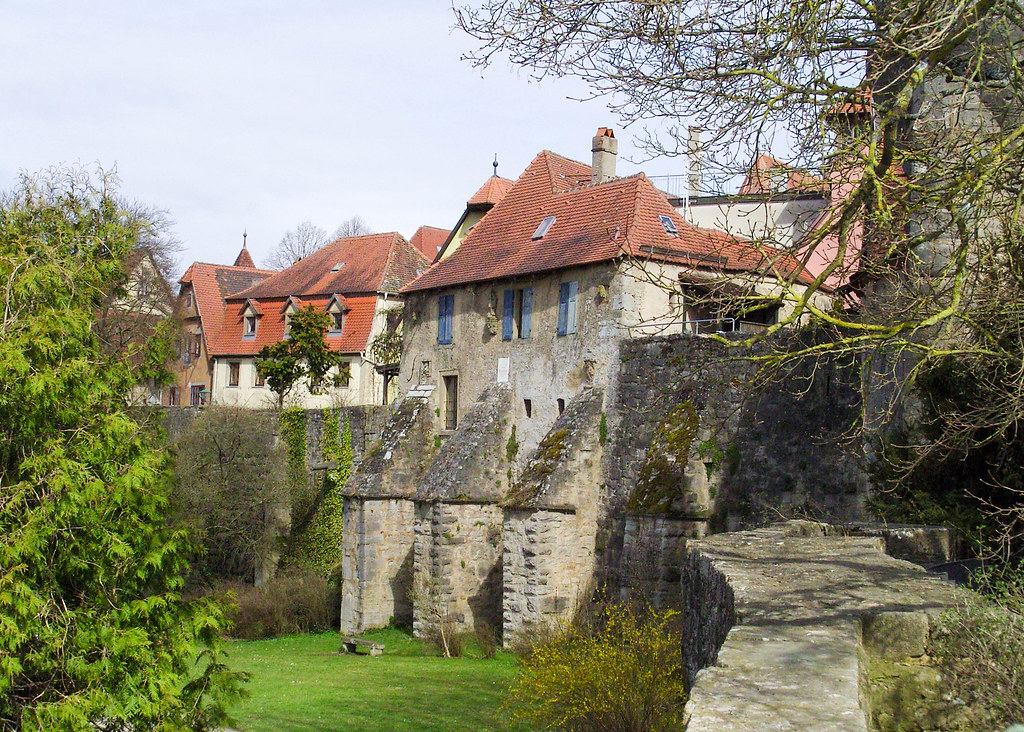
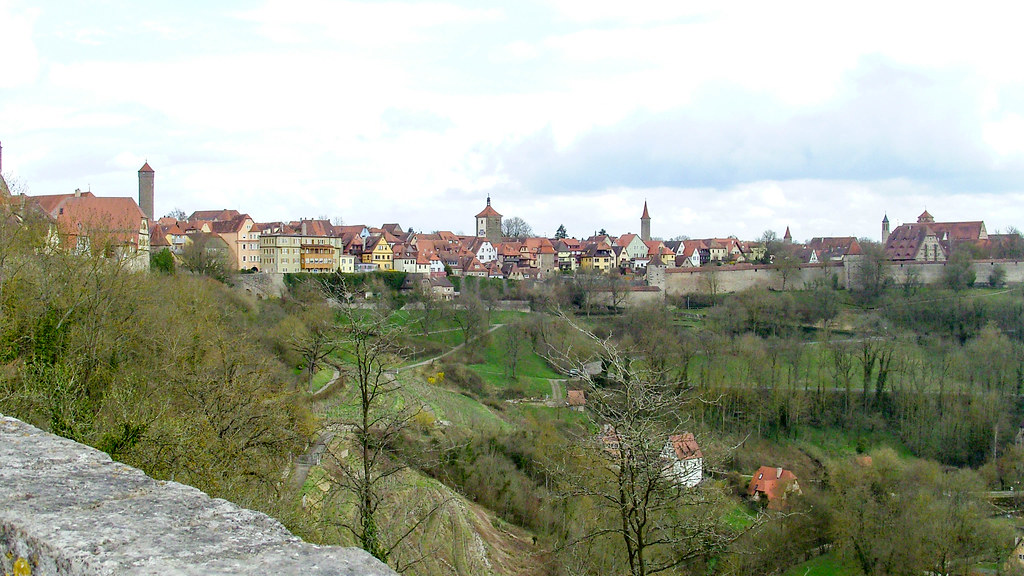
The name “Rothenburg ob der Tauber” is literally translated to “Red Fortress above the Tauber”, reason being that the town is located on a plateau overlooking the River Tauber. Begin exploring the town by taking a stroll along the 1.5-mile walkway on top of the town wall for spectacular views.
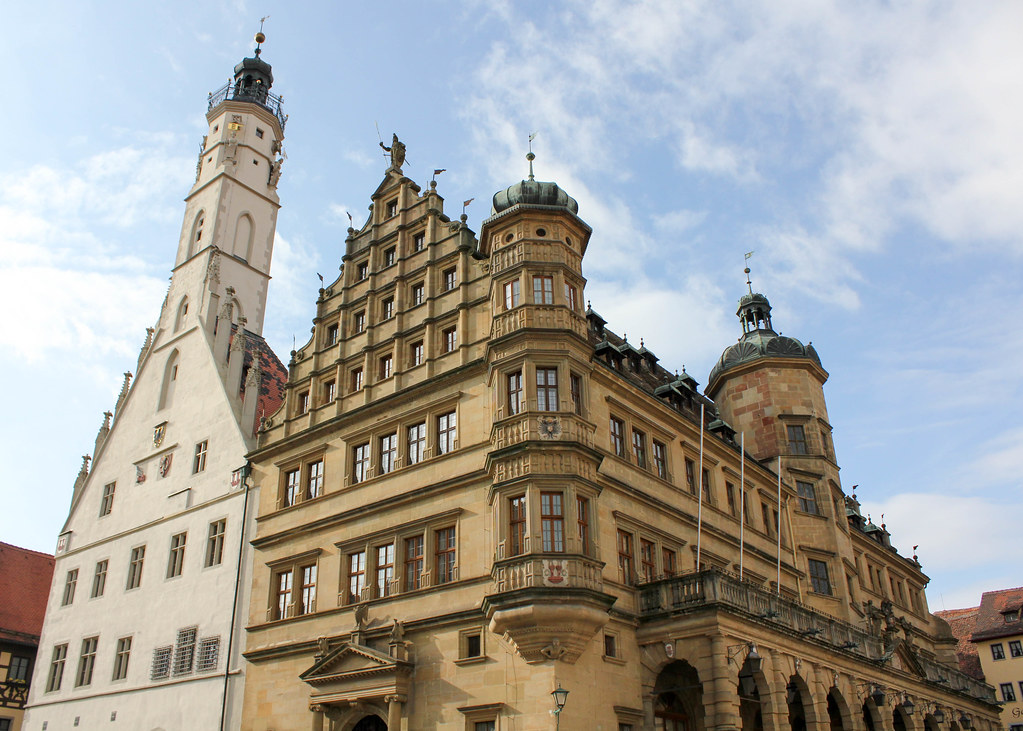

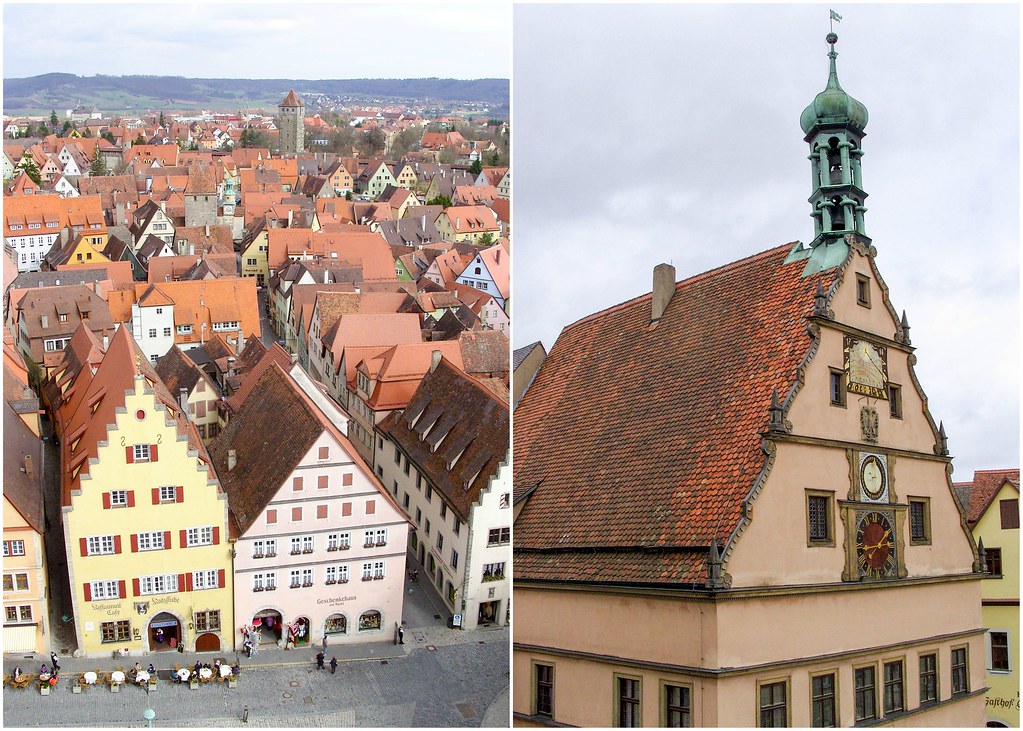

Make your way to the centre of the town where the 13th century renaissance Town Hall (Rathaus) building stands. This building served as the seat of government for the city-state during the medieval ages and for the city of Rothenburg since the formation of the federalist government. We ascended the Town Hall Tower for the best view of the town and its surrounding countryside. But, let me warn you, the ascent was very challenging. The steps were high and narrow, and the strong wind at the top made us feel very insecure. We grabbed really tightly to the railings, and it was very difficult to capture good photos. We wouldn’t recommend this activity for kids and the elderly. For those who have made it to the top, remember to pen your name down for memory’s sake!
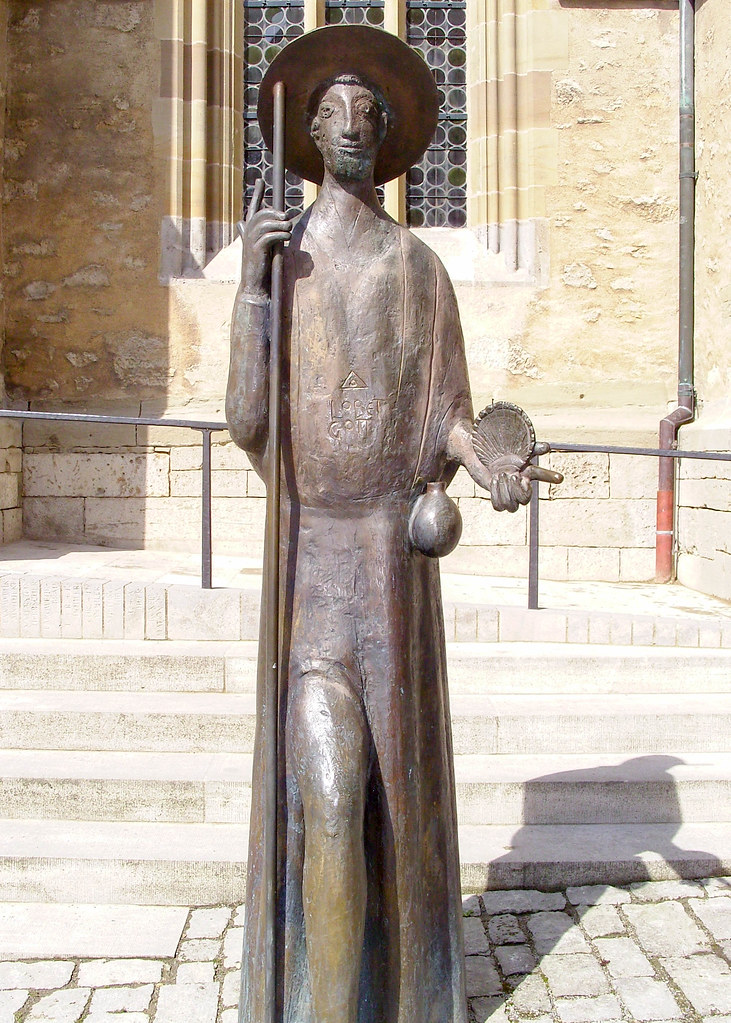
Just a short stroll from the Town Hall is the other architectural wonder – St. James’s Church with the Holy Blood Altar by Tilman Riemenschneider. This fine old church was completed in 1485, and the Holy Blood Altar, a superb wood carving dating from 1505 with a representation of the Last Supper, is the highlight. Also of importance is the Twelve Apostles Altar, notable for having the oldest representation of Rothenburg, along with the 700-year-old stained glass in the East Choir.
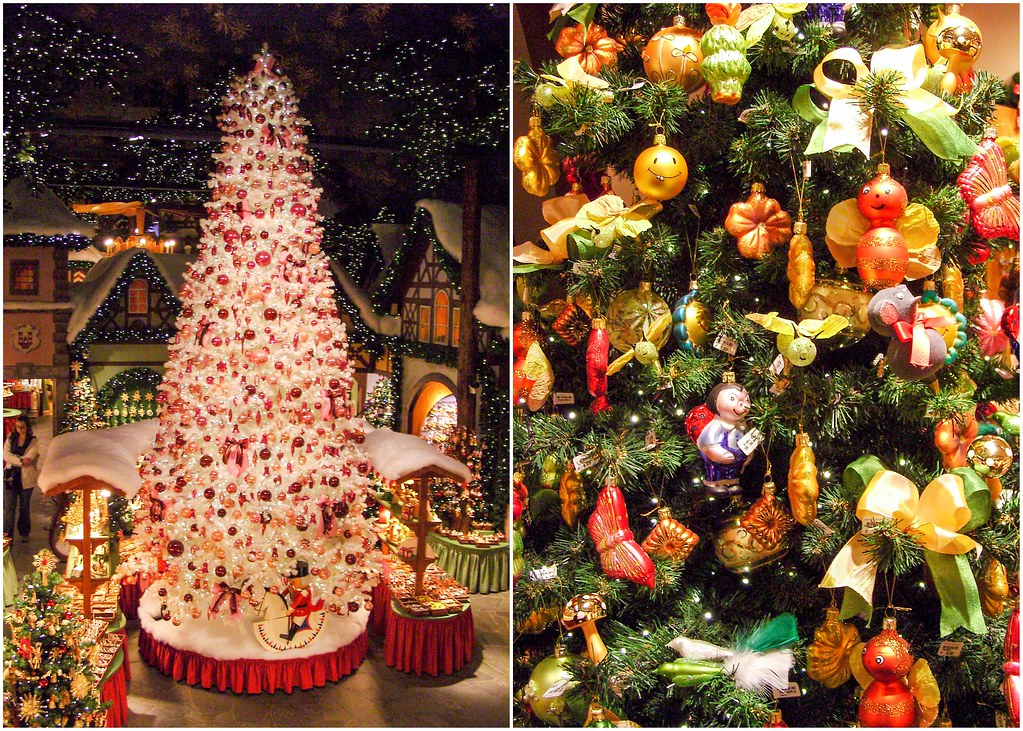

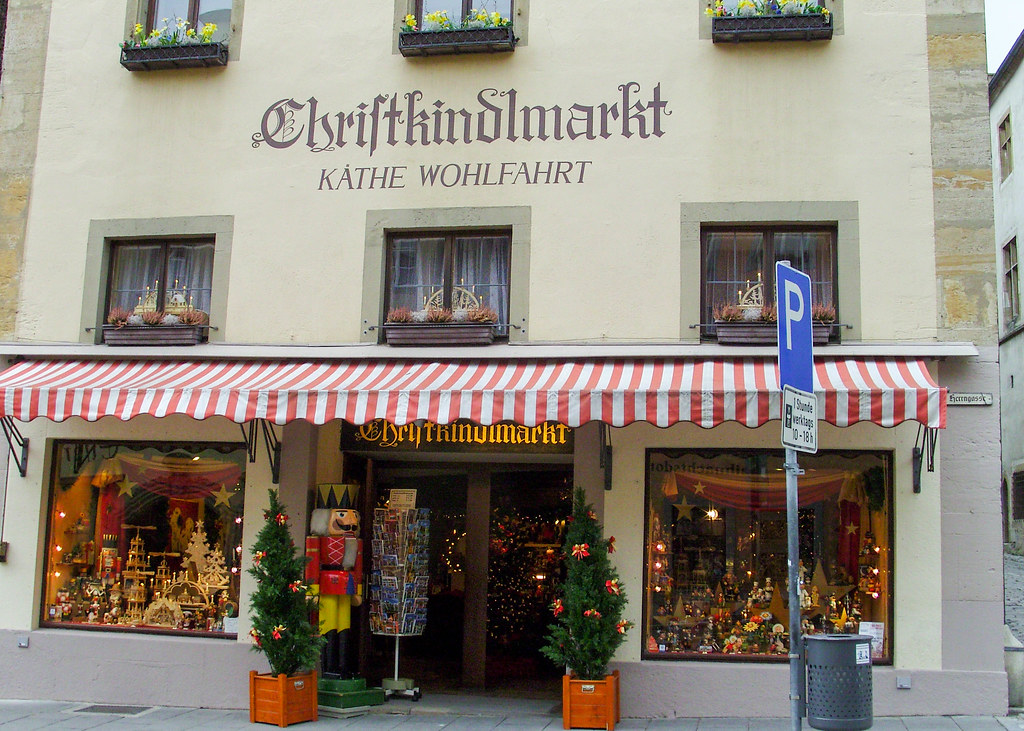
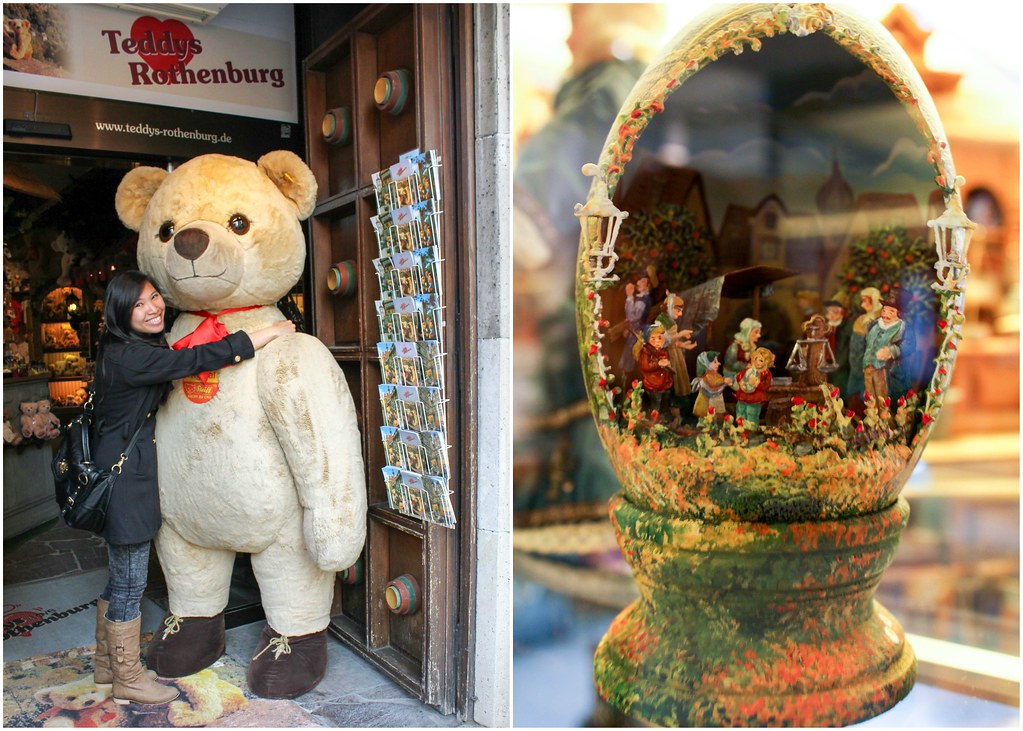
Adding to the experience are the wealth of interesting museums showcasing the town’s rich history such as the medieval crime and justice museum, imperial city museum, and German Christmas museum, just to name a few. The German Christmas Museum houses tree decorations through the ages, Christmas-tree stands, mini-trees sent in boxes to WWI soldiers at the front, early Advent calendars, and old-time Christmas cards, all thoughtfully arranged and described. Käthe Wohlfahrt Christmas Village, which we really enjoyed shopping at, is open all year round, and you can get a plethora of Christmas tree ornaments here.

Stop by the bakery for a local pastry specialty, Schneeball (snowball in English). It is basically deep-fried dough shaped like a snowball, and covered in either confectioner’s sugar or chocolate.
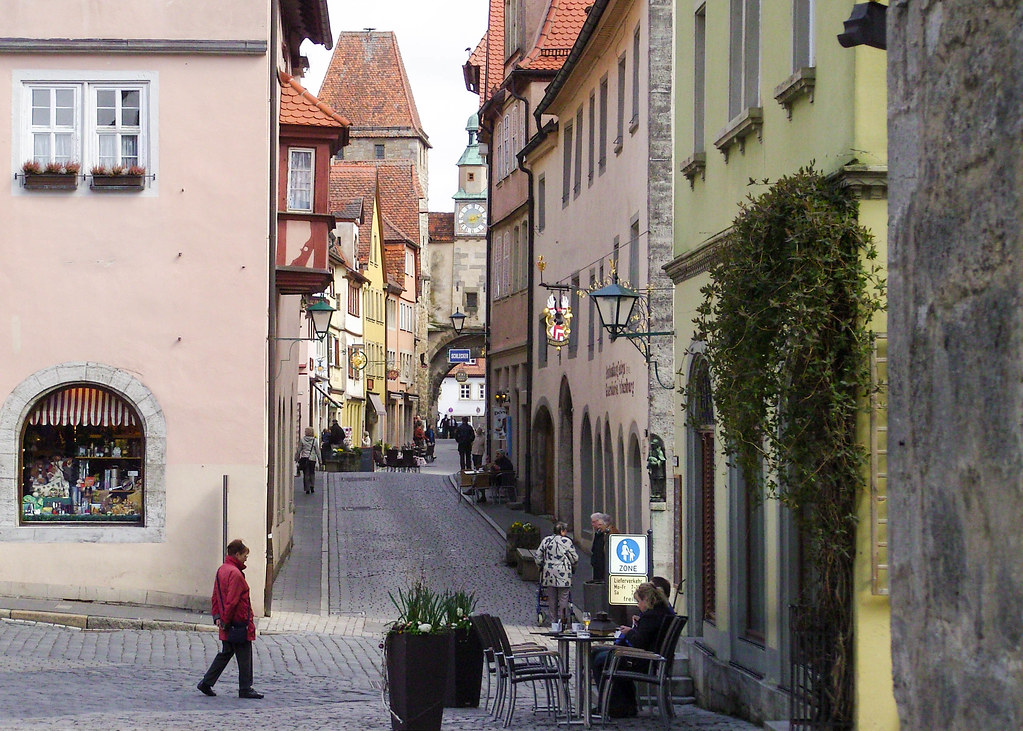
Do take note that there are several “Rothenburgs” in Germany, and make sure you are going to Rothenburg ob der Tauber. Last exciting piece of news for fans of Harry Potter – filming was done here for Harry Potter and the Deathly Hallows Part 1 (2010) and Part 2 (2011).
Even with crowds and overpriced souvenirs, Rothenburg ob der Tauber is still worth checking out. As you explore the town’s cobbled old streets and historic buildings, you’ll easily be transported to another time and place.
Related posts
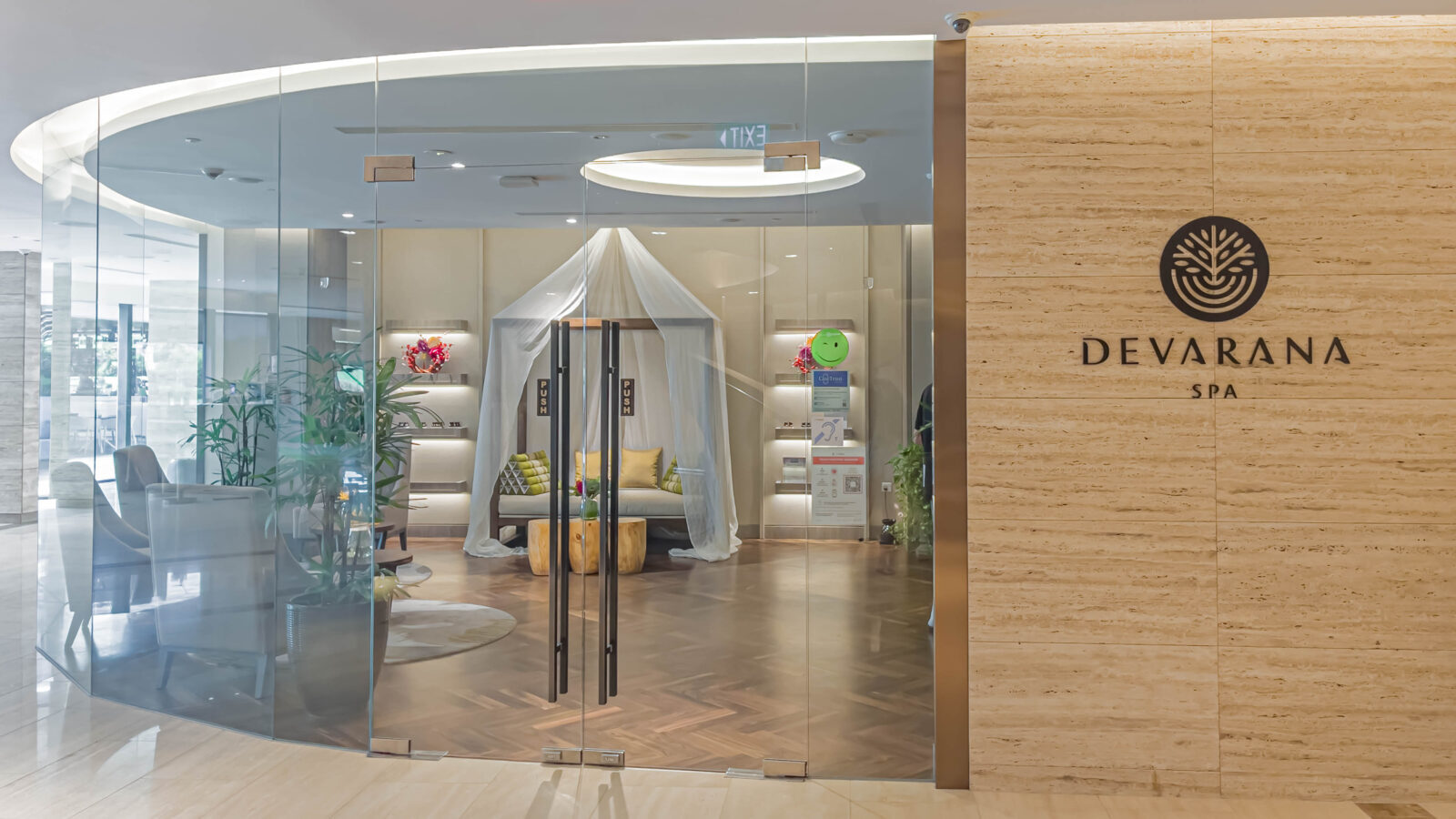
Devarana Wellness, a heaven for spa lovers, offers luxurious pampering and healing treatments in a soothing and stress-relieving environment.
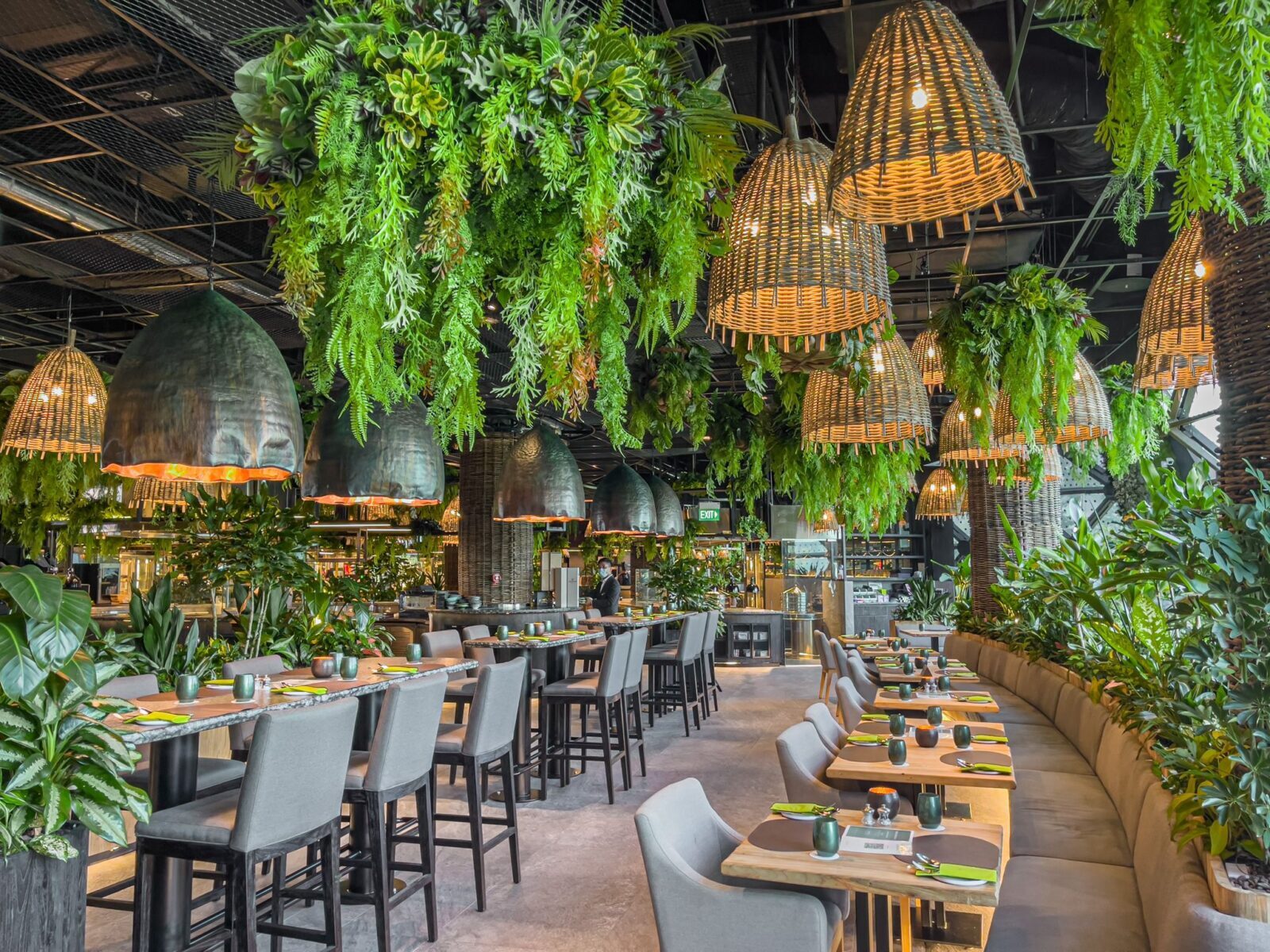
Embark on an exciting culinary journey and indulge in a rich diversity of cuisines at Greenhouse, Dusit Thani Laguna Singapore’s all-day dining restaurant.
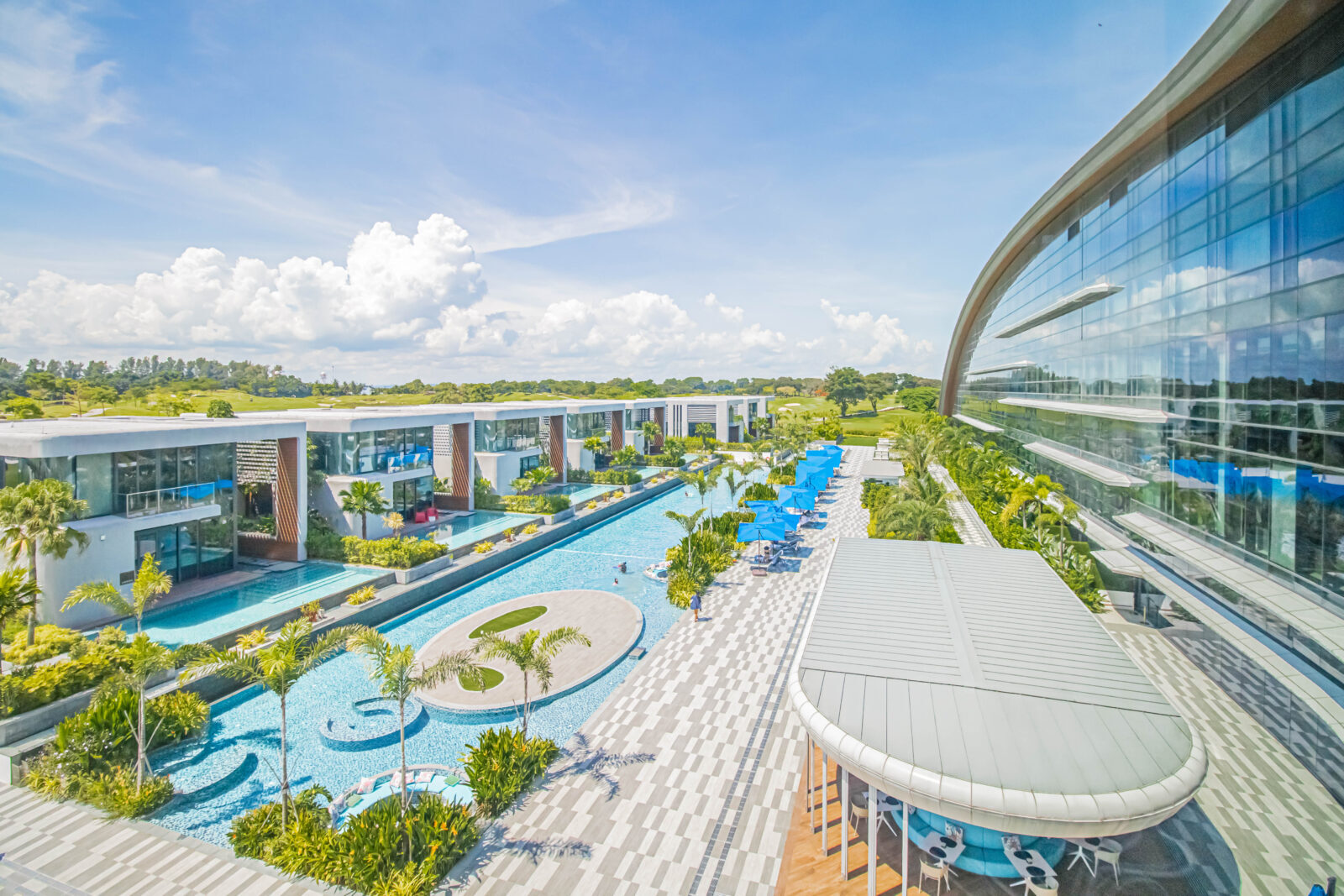
Built within the grounds of Laguna National Golf Resort Club, Dusit Thani Laguna Singapore offers spectacular views with planes soaring above frequently.

Hi! I’m Alexis!
I’m a true-blue Singaporean who loves travel, photography, and food. I left my career in accountancy in 2014 to become a globetrotter. Since then, I’ve travelled to over 20 countries and have checked many adventures off my bucket list. I hope my readers will benefit from my first hand perspective of the trips.
Read more