An Exciting Weekend in Fulda, Germany
June 10, 2017

When I was on a student exchange trip for a semester in Wolfsburg, I took the opportunity to travel as much as I could afford. I’m lucky to have good friends in Germany, such as Julianne, as she was very hospitable and eager to give me a tour of her hometown. So, I set a weekend aside to explode Fulda, a little town that lies on the Fulda River between the Rhön and Vogelsberg mountains.
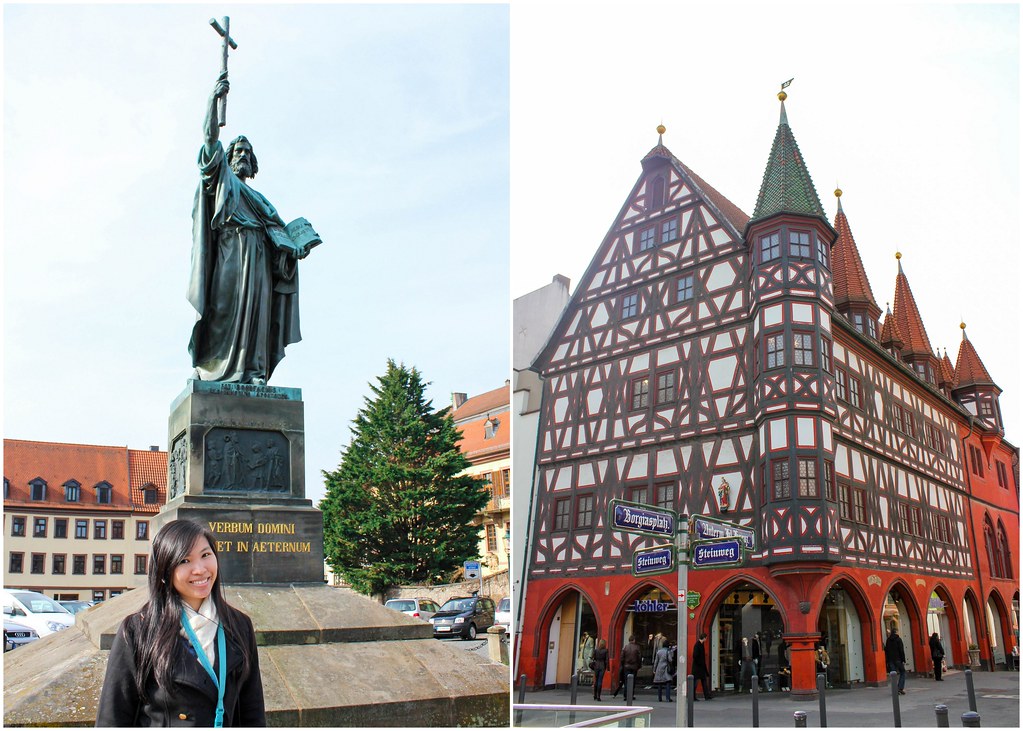
This town was developed around a Benedictine abbey founded in 744 by Sturmi, a disciple of St. Boniface. The abbey became a missionary centre, and its school was one of Europe’s important seats of learning during the early Middle Ages, after Rabanus Maurus became its director in 803. It employed 12 manuscript copyists, and its great library survived until the 17th century. Fulda was chartered in 1157 and became a prince-abbacy, and was converted to a prince-bishopric when its abbot acquired the rank of bishop in 1752. It was the seat of a university during 1734–1803. The principality was secularised in 1802, passed to Hesse-Kassel in 1815, and annexed by Prussia in 1866.
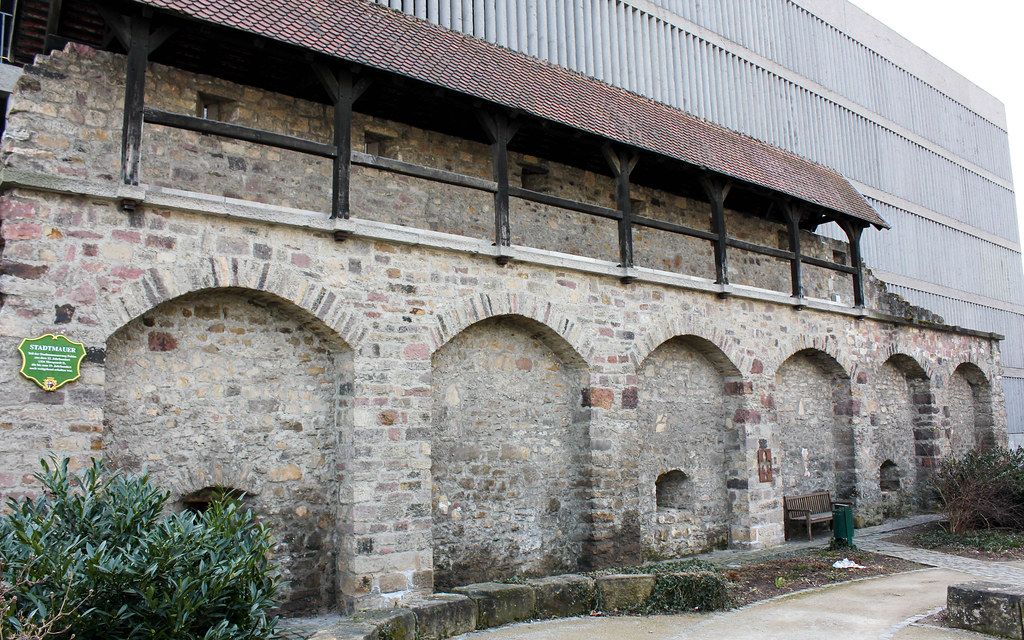
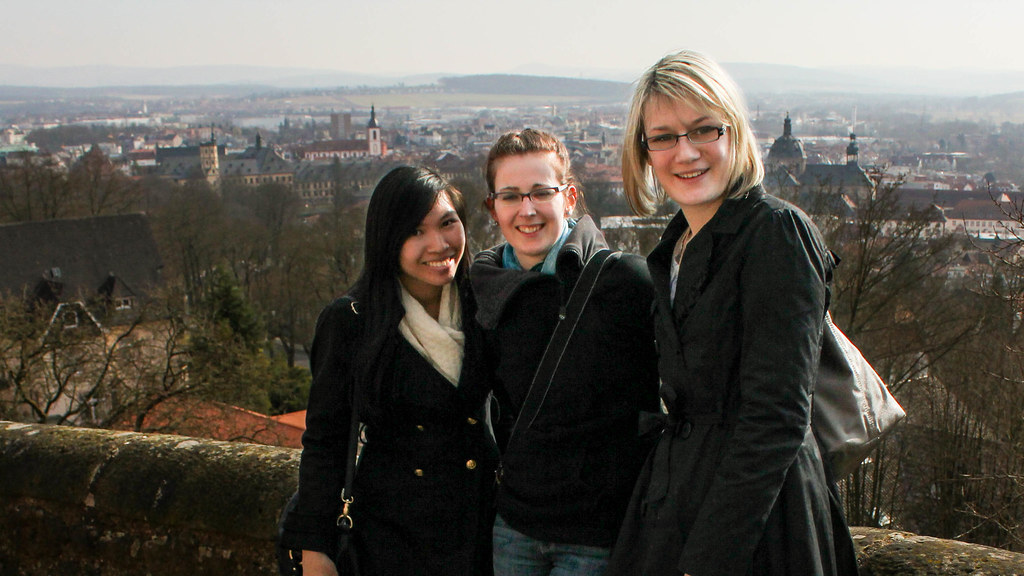
Fulda, which commands a strategic location for north-south and east-west routes in Germany, is an important rail junction. It was also an important military centre during the Cold War, and was presumed to be an invasion route for any conventional war between NATO and Soviet forces.
Julianne and I, together with one other friend, rented an audio guide to take us through the walk around Fulda. You’ll come across many noteworthy buildings that form an integrated Baroque district, including Fulda Cathedral, the Fasanerie Palace, and the Church of St. Michael, just to name a few.
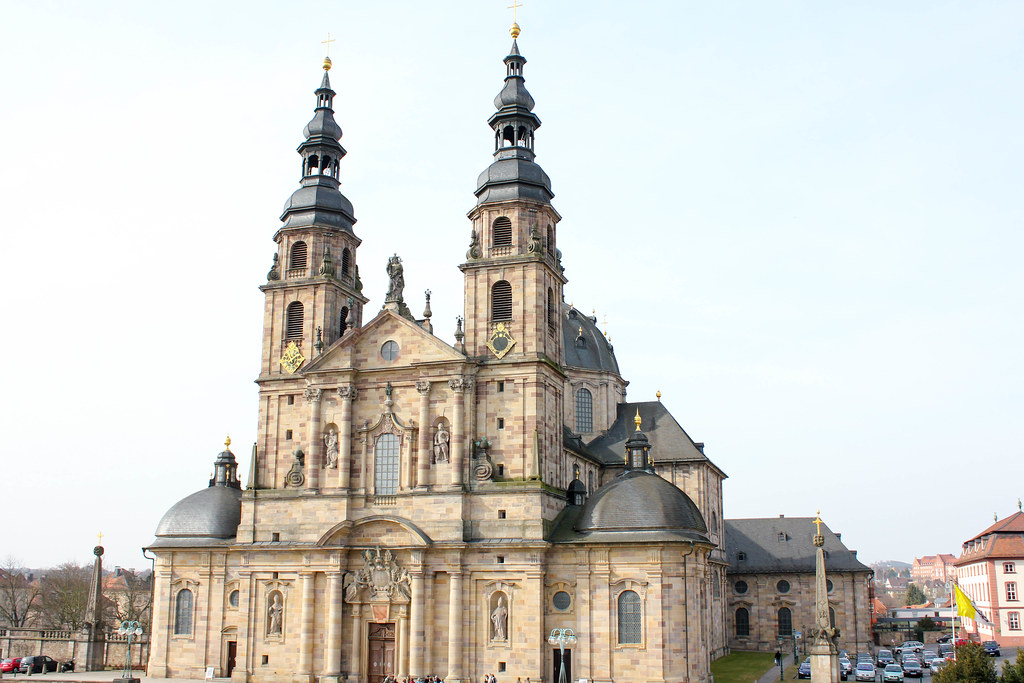
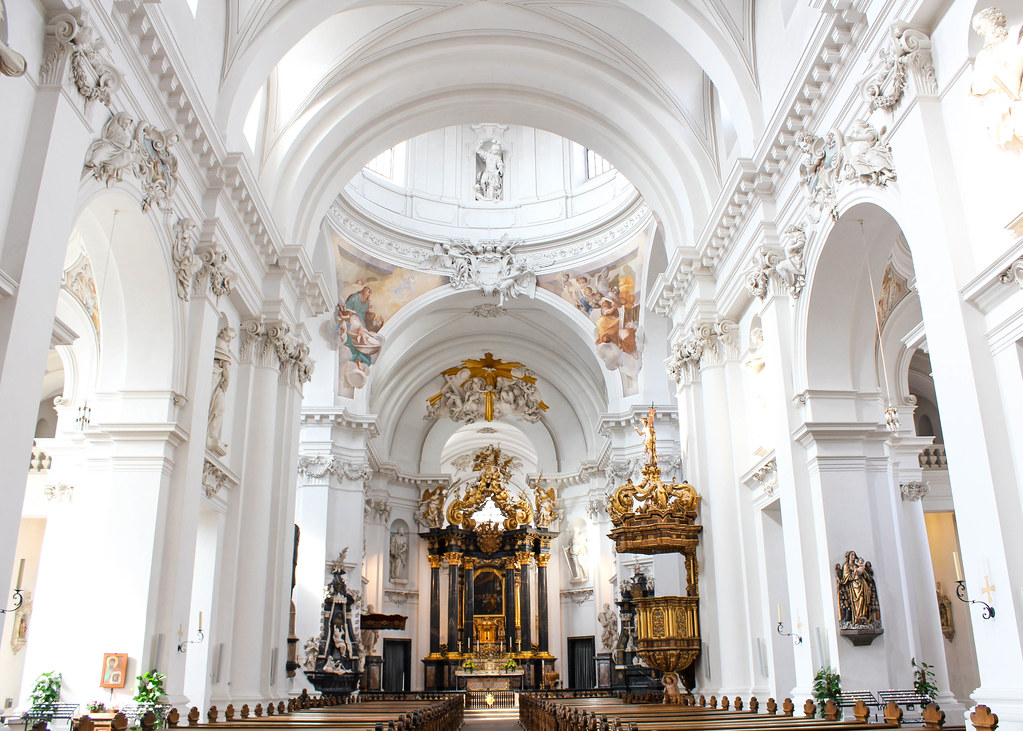
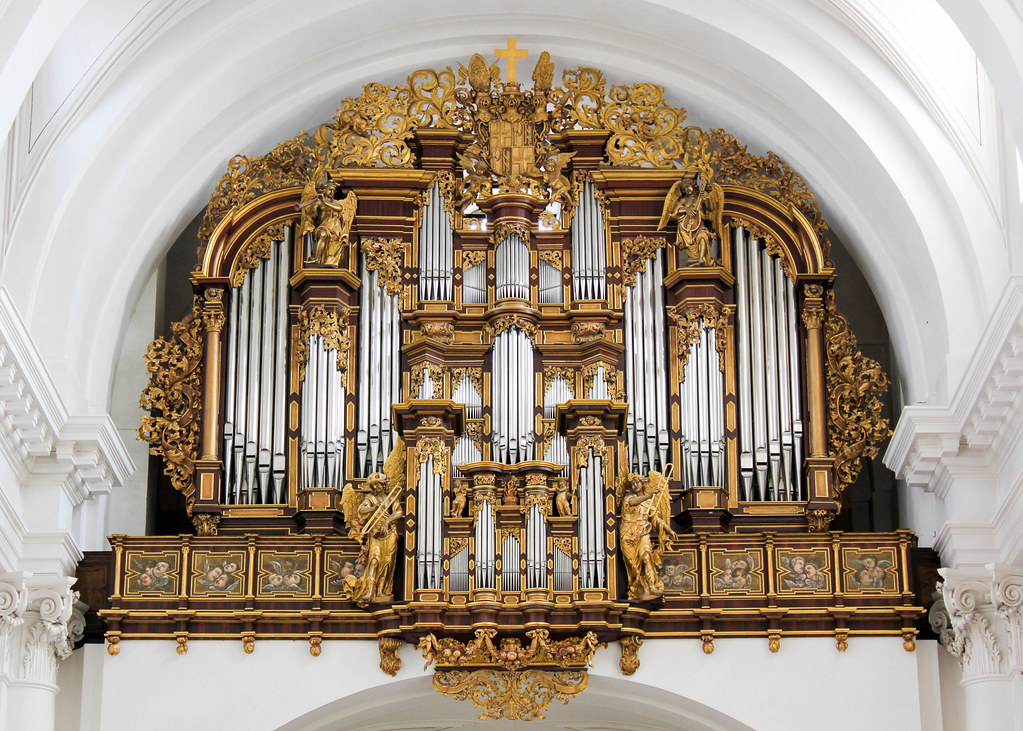
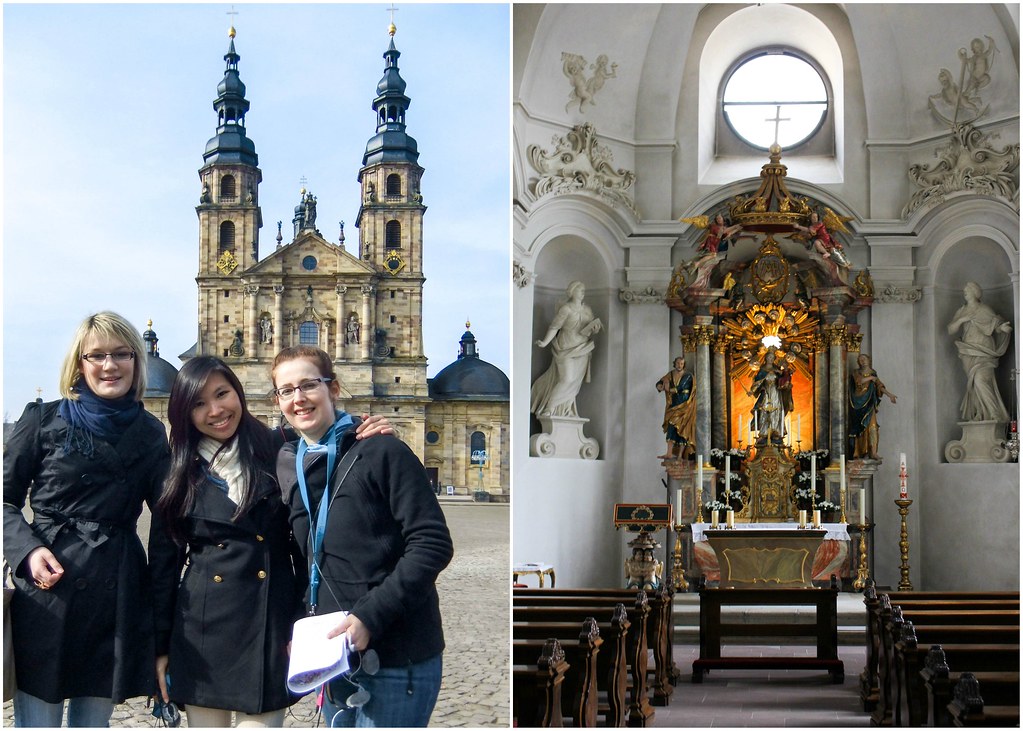
Fulda Cathedral is the oldest pilgrimage destination in Germany. Along with the church in Salzburg, it is counted as a birthplace of Catholic Christianity in Central Europe. The current structure was built in the 1700s. Although damaged by fire in 1905 and air raid bombings during World War II, the cathedral survived the 20th century much better than many of Germany’s other churches during this turbulent period. Renovations in the 1950s have left it in excellent condition that you see today.
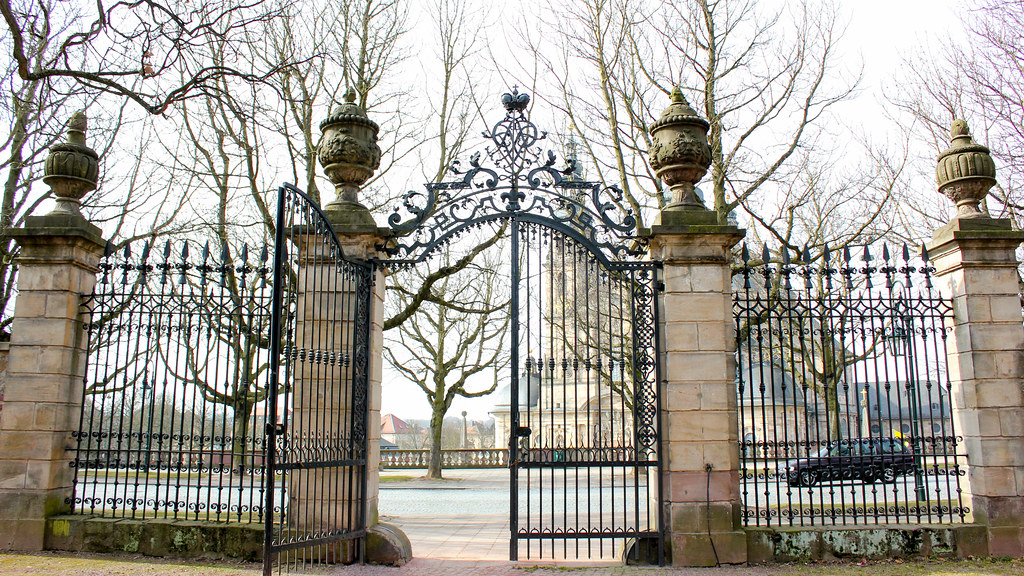
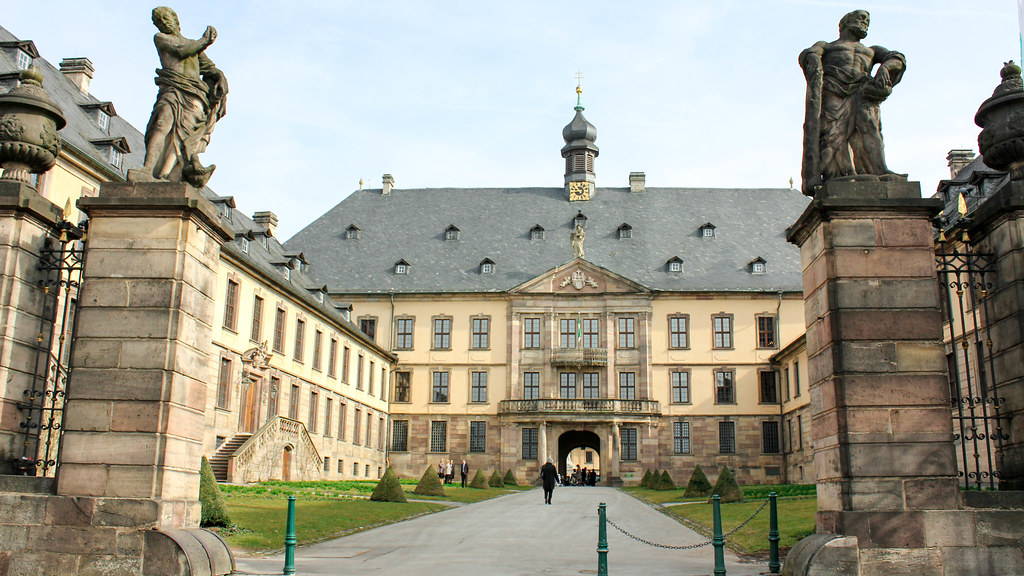
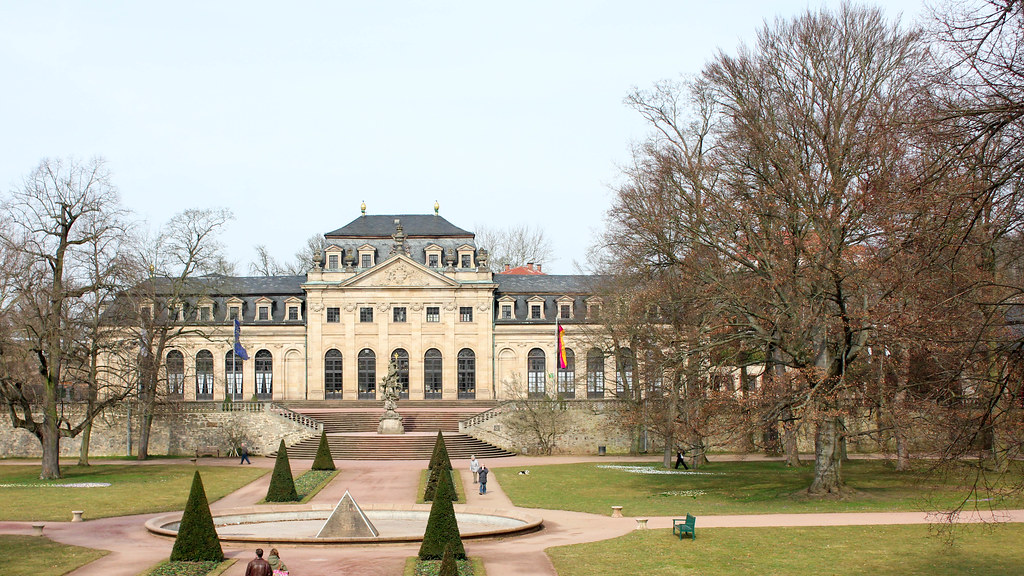
The Fasanerie Palace was built between 1708 and 1714. Inside, you can marvel at a collection from Fulda’s porcelain manufactory, as well as, state rooms from the 19th century. The tower offers magnificent views over Fulda and the Rhön hills. Don’t skip the Schlossgarten! This green oasis in the middle of the city is also popular among visitors and residents of Fulda. The extensive palace garden surrounded by walls and lattices is made up of several parts – the Palace and Orangerieterrasse, the intervening parterre with the large fountain and the former Boskettgarten, which extends to the east.

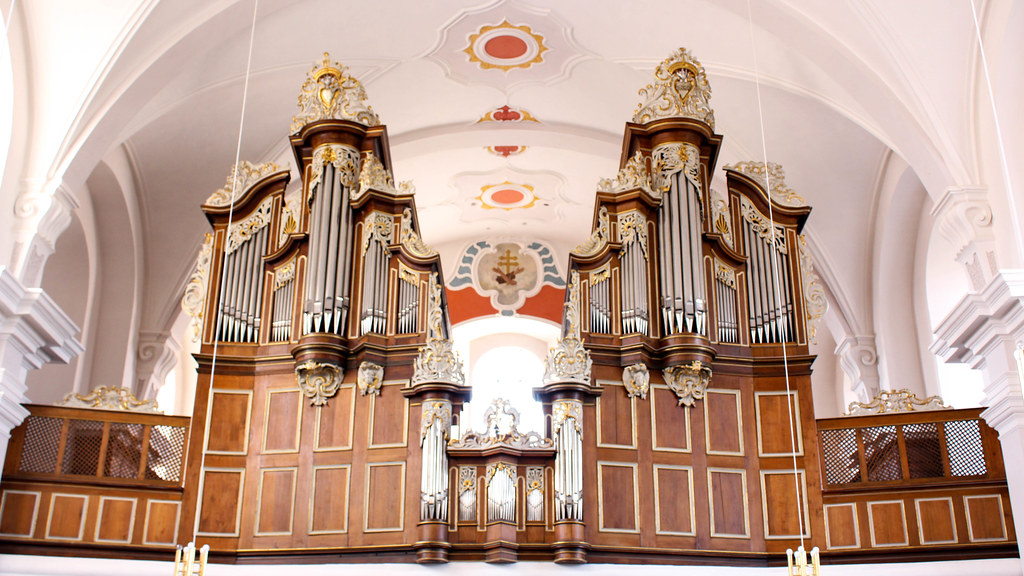
You’ll also come across St. Michael’s Church which was once the abbey’s burial chapel. Besides being renovated and extended a couple of times in the 17th and 18th centuries, this church mostly dates back 1200 years and is still in full use today.
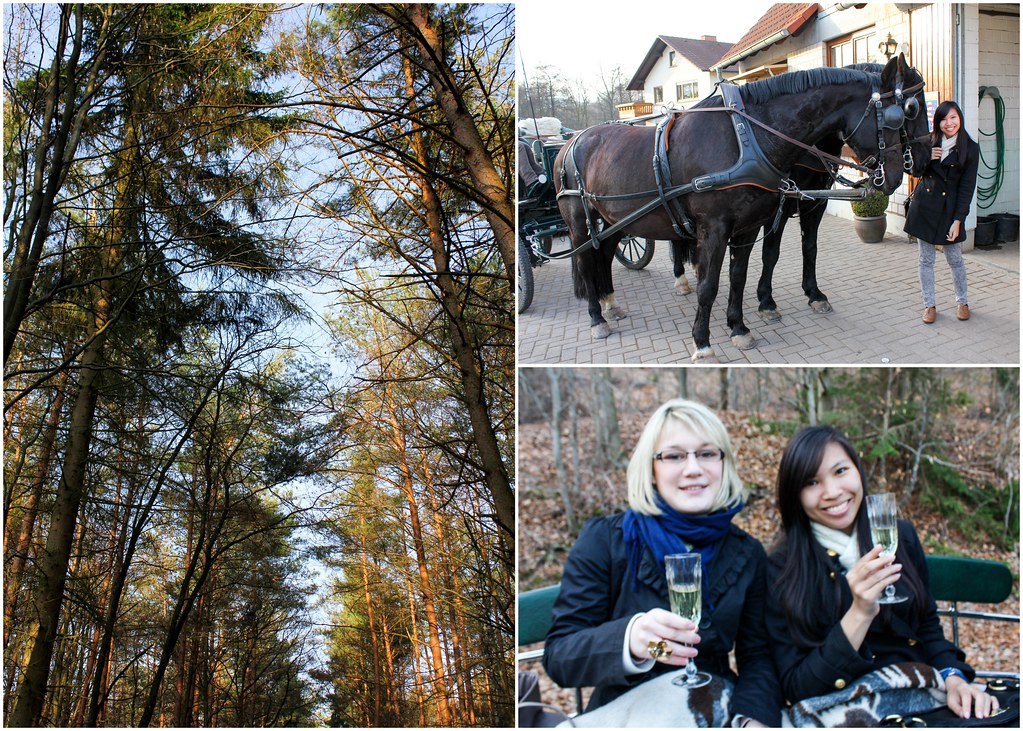
Besides giving me a tour of her hometown, Julianne also surprised me with a ride on her relatives’ horse carriage. We rode through the forest during sunset hours, and popped champagne to end the wonderful weekend.


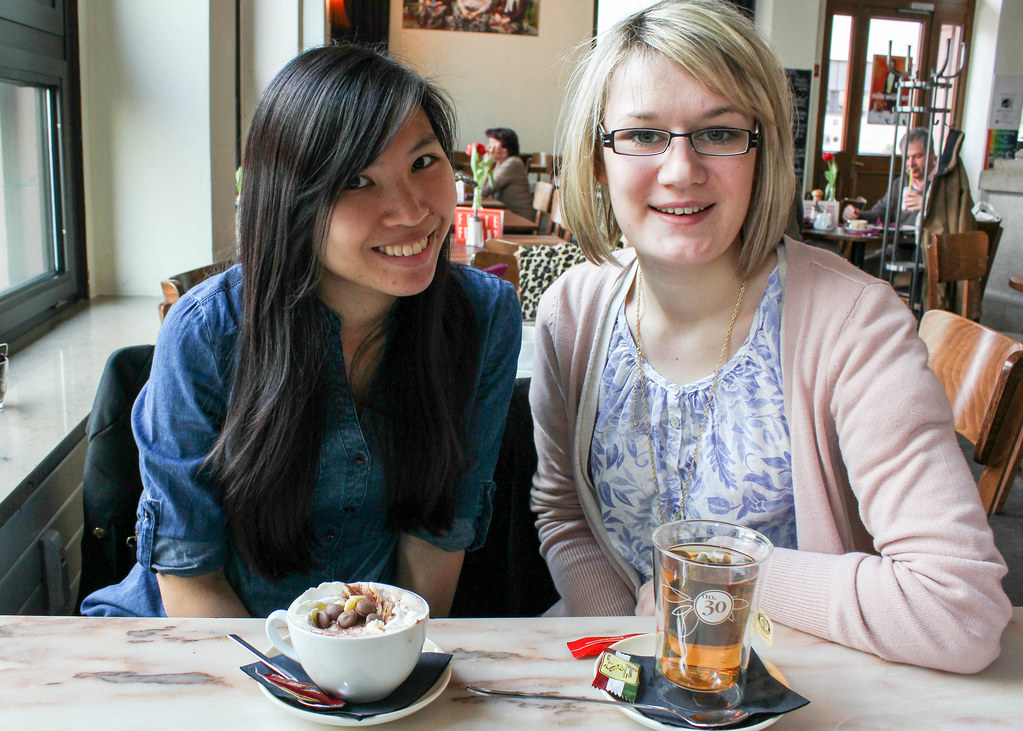
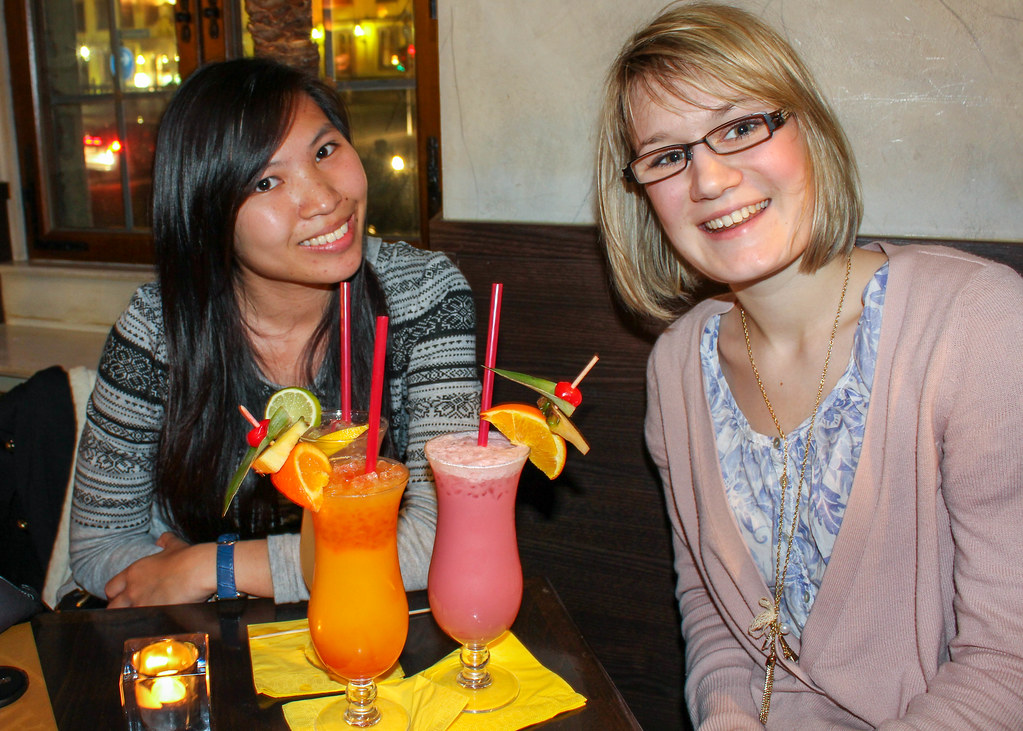
We also spent a morning making pizza from scratch, savoured sweet treats and hot chocolate from a cafe, and enjoyed an evening at one of the cocktail bars in Fulda. I’m very thankful for the friendship (and yes, if you’re wondering, we’re still in contact)! I’m not sure when I’ll be traveling to Germany again, but I’m always looking forward to my trips.
Related posts
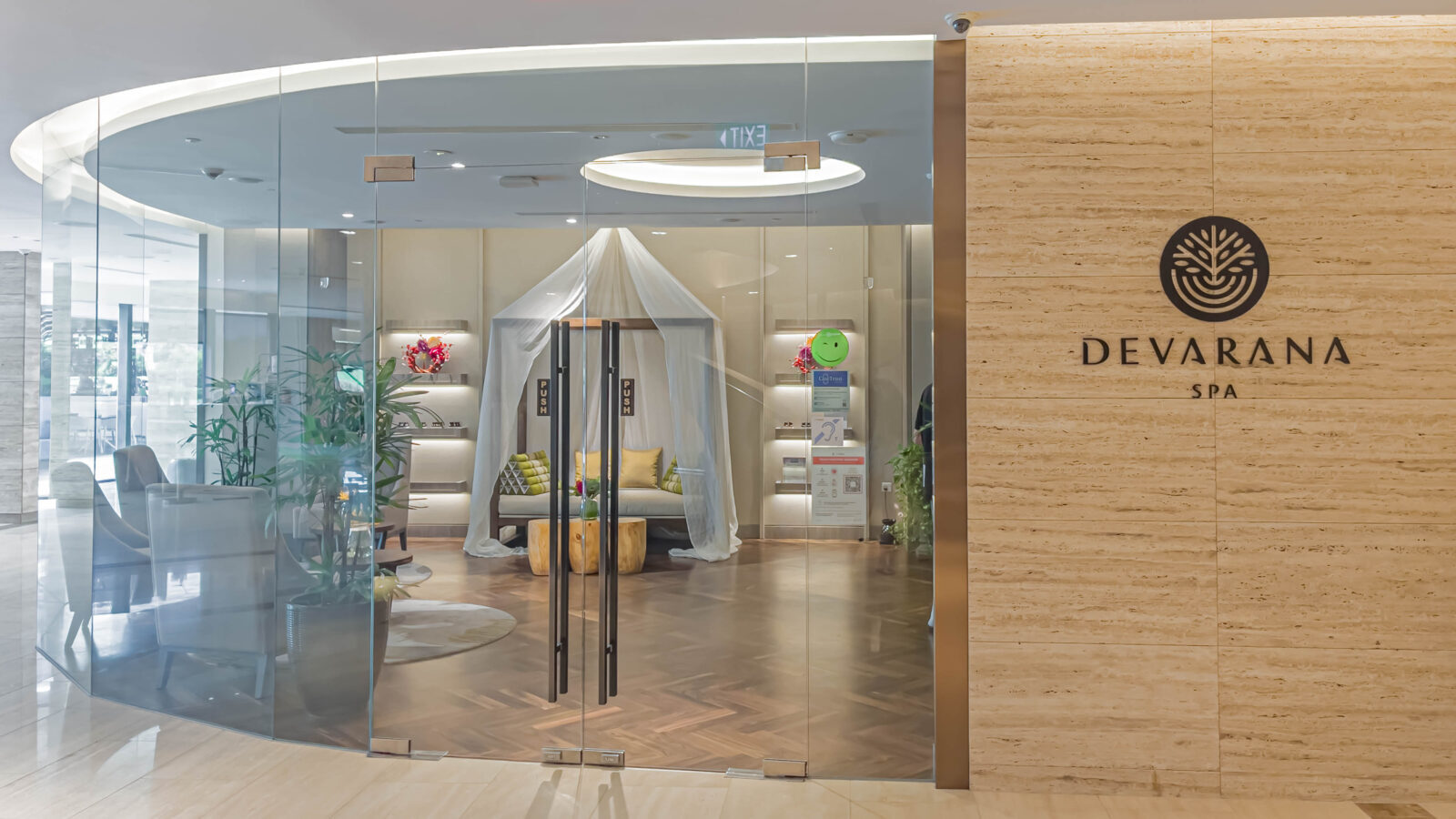
Devarana Wellness, a heaven for spa lovers, offers luxurious pampering and healing treatments in a soothing and stress-relieving environment.
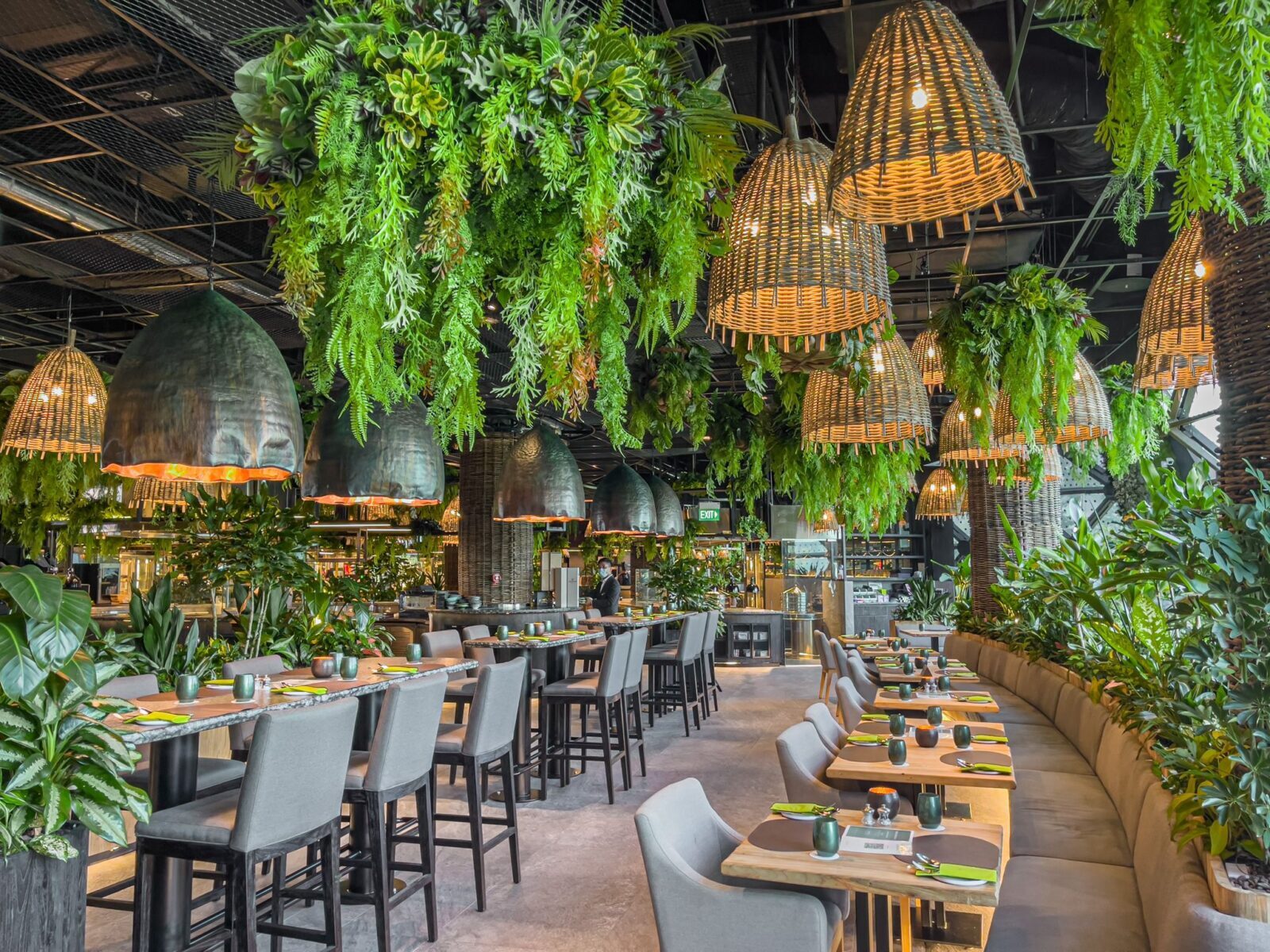
Embark on an exciting culinary journey and indulge in a rich diversity of cuisines at Greenhouse, Dusit Thani Laguna Singapore’s all-day dining restaurant.
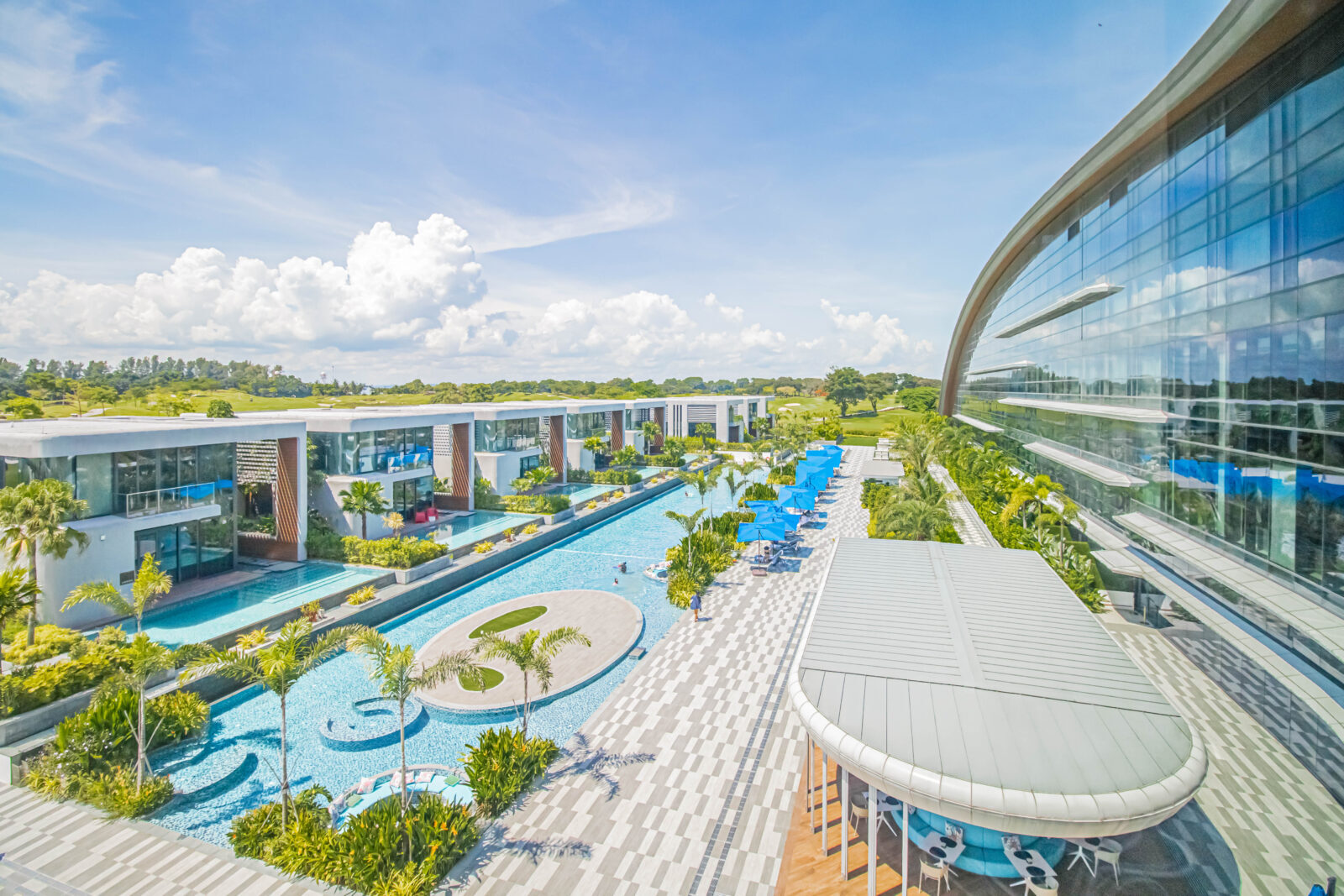
Built within the grounds of Laguna National Golf Resort Club, Dusit Thani Laguna Singapore offers spectacular views with planes soaring above frequently.

Hi! I’m Alexis!
I’m a true-blue Singaporean who loves travel, photography, and food. I left my career in accountancy in 2014 to become a globetrotter. Since then, I’ve travelled to over 20 countries and have checked many adventures off my bucket list. I hope my readers will benefit from my first hand perspective of the trips.
Read more